
 Save
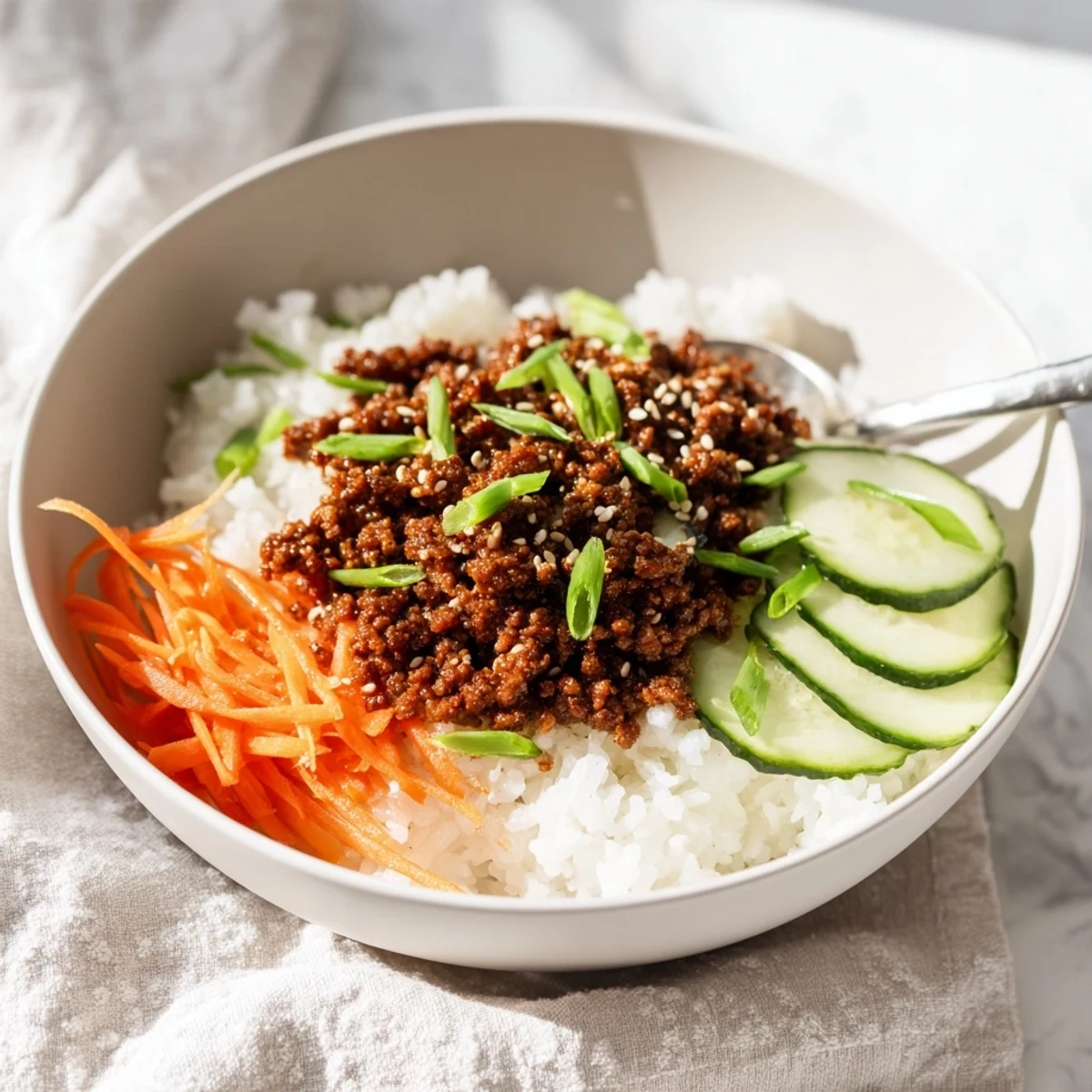
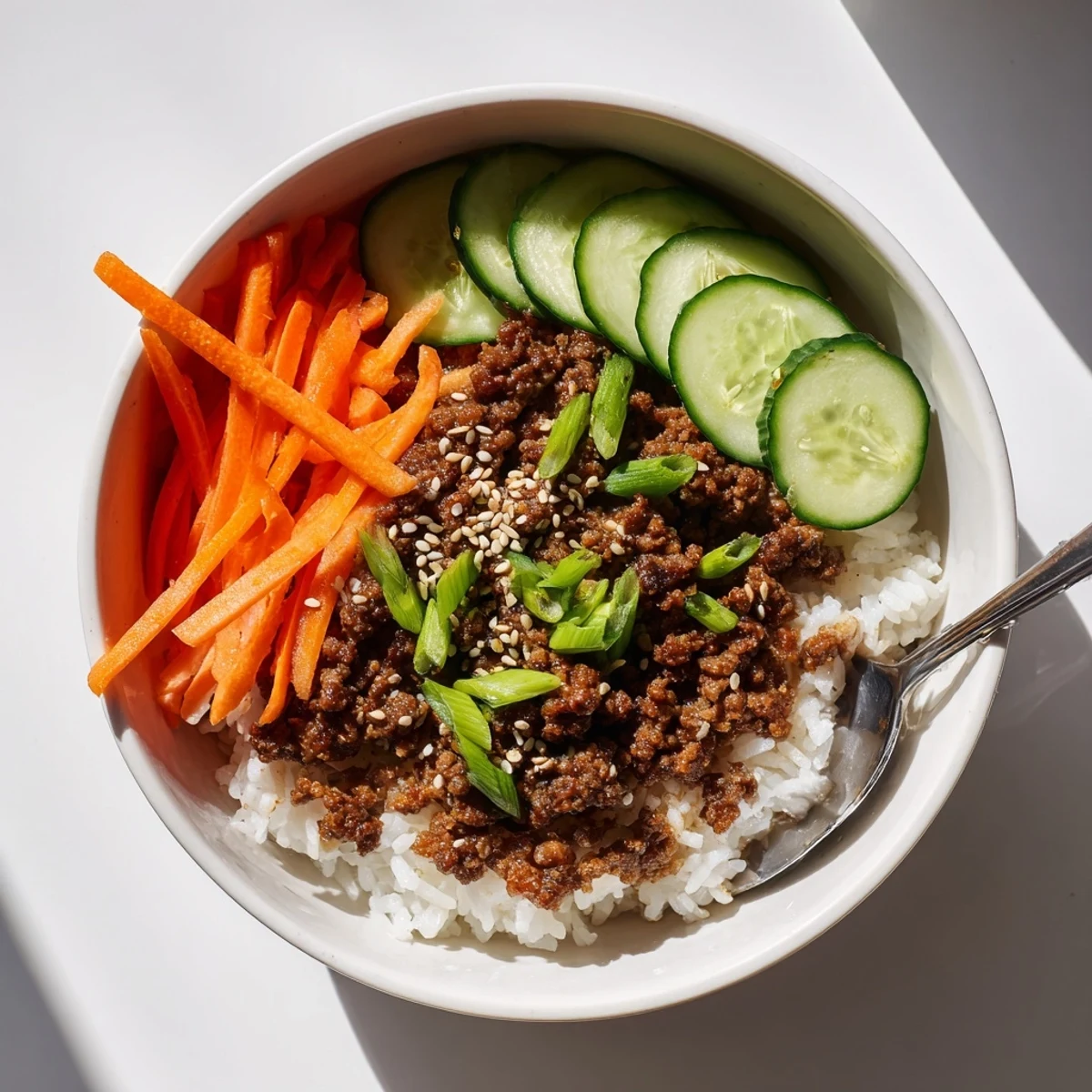
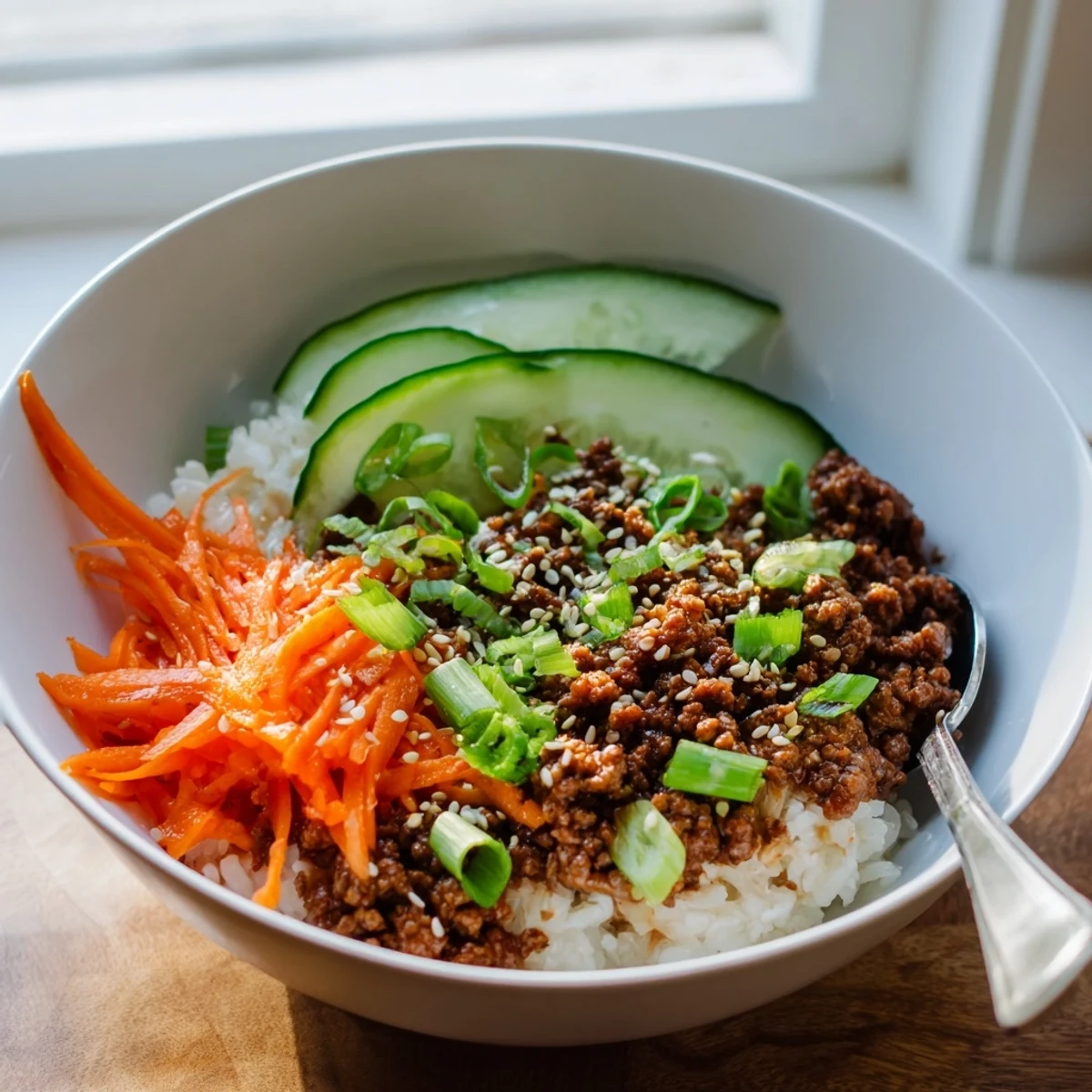
Save This satisfying bowl brings together savory Korean-style beef with fresh vegetables and steamed rice. The ground beef gets coated in a punchy sauce made with soy sauce, gochujang, sesame oil, garlic, and ginger, creating that perfect balance of sweet and spicy. Top it all with crisp julienned carrots, cucumber slices, scallions, and toasted sesame seeds for texture and fresh contrast. It comes together in just 25 minutes, making it ideal for busy weeknights when you want something delicious without spending hours in the kitchen.
The first time I made Korean beef bowls, it was a Tuesday night and I was starving after a long day at work. I had ground beef in the fridge and a jar of gochujang tucked in the pantry that I'd bought on impulse months earlier. Within 20 minutes, my kitchen smelled like garlic and caramelized soy, and I knew this was going to become a regular rotation.
Last winter, my sister came over feeling under the weather, and I made these bowls for her. She took one bite and asked if I'd been secretly taking Korean cooking lessons. The truth is, the sauce does all the heavy lifting here, making you look like you spent way more time cooking than you actually did.
Ingredients
- 500 g (1 lb) lean ground beef: I've found that 85/15 blend gives you the best balance of flavor without too much excess fat to drain
- 60 ml (1/4 cup) low-sodium soy sauce: Regular soy sauce can make the final dish overwhelmingly salty, so low-sodium gives you more control
- 2 tbsp light brown sugar: This creates that gorgeous caramelized glaze that coats the beef
- 1 tbsp sesame oil: Toasted sesame oil adds that unmistakable nutty aroma that signals Korean-inspired flavors
- 4 garlic cloves, minced: Fresh garlic is non-negotiable here—jarred minced garlic lacks the punch you need
- 1 tbsp freshly grated ginger: I use a microplane for the finest grate, which melts into the sauce
- 1 tbsp gochujang: This Korean chili paste brings heat and depth, but red pepper flakes work in a pinch
- 2 tsp rice vinegar: Just enough acid to cut through the rich beef and sugar
- 300 g (1 1/2 cups) jasmine rice: Short-grain rice works too—use whatever white rice you have on hand
- 2 medium carrots, julienned: The crunch against the tender beef is essential for texture contrast
- 1 small cucumber, thinly sliced: English cucumbers work beautifully since they have fewer seeds
- 4 scallions, thinly sliced: Both the white and green parts add different layers of flavor
- 2 tbsp toasted sesame seeds: Toast them in a dry pan for 2 minutes first—the difference in flavor is huge
Instructions
- Get your rice going first:
- Rinse the rice under cold water until it runs clear, which removes excess starch for fluffier results. Combine with 480 ml water in a saucepan, bring to a boil, then reduce heat to low, cover, and simmer for 12–15 minutes until tender.
- Whisk together the sauce:
- In a small bowl, combine the soy sauce, brown sugar, sesame oil, garlic, ginger, gochujang, and rice vinegar. Whisk until the sugar has completely dissolved and everything is well combined.
- Brown the beef:
- Heat a large skillet over medium-high heat, add the ground beef, and cook for about 5 minutes while breaking it up with a spatula. Drain any excess fat if there's more than a tablespoon or two in the pan.
- Add the magic sauce:
- Pour the sauce mixture over the browned beef and cook for another 2–3 minutes, stirring constantly until the beef is evenly coated and the sauce has thickened enough to cling to each piece.
- Build your bowls:
- Divide the fluffy rice among four bowls and top with the saucy beef mixture. Arrange the carrots, cucumber, scallions, and sesame seeds on top, then add kimchi or cilantro if you're feeling extra.
- Serve it up:
- These bowls are best enjoyed immediately while the beef is still hot and the vegetables are crisp. Everyone can customize their own bowl with extra gochujang or soy sauce at the table.
 Save
Save My friend Sarah now makes this every Sunday for meal prep, and she says her coworkers are constantly asking what smells so good when she heats it up. Something about these bowls feels like a hug in a bowl, even on the most exhausting days.
Making It Your Own
I've swapped ground beef for ground turkey when I wanted something lighter, and honestly, it works just as well. The sauce is flavorful enough that you could even use crumbled tofu for a vegetarian version, though you might want to add a little extra sesame oil to compensate for the lost beef fat.
Rice Shortcuts
On nights when I'm really rushing, I use those microwavable rice pouches from the grocery store. They're not quite as good as properly cooked rice, but they cut the active cooking time down to practically nothing. Just fluff them with a fork before adding to your bowls.
Perfect Pairings
A crisp cucumber salad on the side adds even more freshness to balance the rich beef. I also love serving these with quick-pickled carrots and radishes when I have a few extra minutes.
- Chilled Riesling cuts through the spice beautifully
- Hot green tea complements the sesame and ginger notes
- A cold lager works surprisingly well if you prefer beer
 Save
Save Hope these bowls bring a little excitement to your weeknight table. There's something deeply satisfying about a meal that comes together this quickly but tastes like it took all night.
Recipe FAQs
- → Can I use different meat options?
-
Ground turkey, chicken, or even tofu work well as alternatives to beef for a lighter version or dietary preference.
- → Is this dish spicy?
-
The spice level depends on the gochujang or red pepper flakes. You can easily adjust the amount to control the heat to your preference.
- → Can I make this gluten-free?
-
Substitute tamari for soy sauce and ensure your gochujang is certified gluten-free to make this completely gluten-free.
- → How do I store leftovers?
-
Store the beef mixture and rice separately in airtight containers in the refrigerator for up to 3 days. Reheat gently before assembling bowls.
- → What can I serve with this?
-
This pairs well with chilled Riesling, green tea, or a simple side of pickled vegetables and extra kimchi for a complete Korean-inspired meal.