
 Save
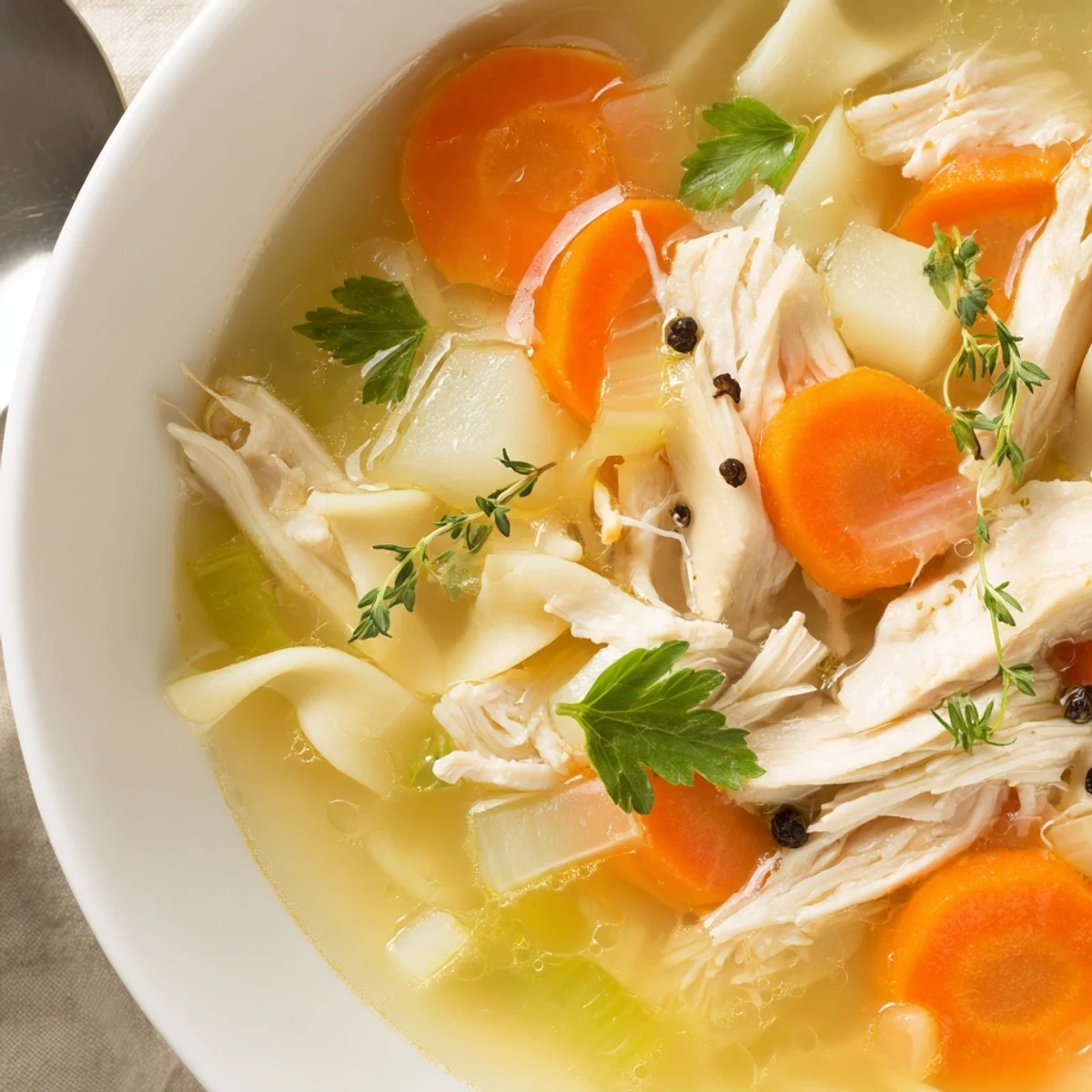
Save Simmer bone-in chicken with carrots, celery, onion, garlic and thyme in cold water or low-sodium broth for 45–60 minutes, skimming foam as it cooks. Remove bones, shred the meat, then return it to the pot. Add egg noodles or rice in the final 8–10 minutes if desired. Finish with chopped parsley or dill, adjust seasoning, and serve hot for a comforting, nourishing meal.
The screen door slapped shut behind me as I carried a bowl of chicken soup across my grandmothers backyard, steam fogging my glasses with every careful step. It was October and the air had that particular bite that makes your lungs feel clean and your stomach demand something warm. Her recipe was never written down, just a rhythm she carried in her hands, tossing vegetables into the pot without measuring a single thing. That soup tasted like safety, and I spent years trying to recreate it in my own kitchen.
One winter my neighbor slipped on ice and broke her wrist, and I showed up at her door with a jar of this soup still warm from the stove. She stood there in her cast, holding the jar against her chest, and told me it was the first thing that made her smile in a week. Now she asks for the recipe every time the temperature drops below freezing.
Ingredients
- Chicken: Use bone in, skin on pieces for the most flavorful broth because the bones release collagen that gives the soup its silky body.
- Carrots: Slice them into uniform rounds so every spoonful feels balanced and they cook evenly through the simmer.
- Celery: Chop the stalks fairly small since their fibrous texture can feel stringy if the pieces are too large.
- Onion: A large diced onion melts into the broth and creates a sweet base that you will notice if you ever skip it.
- Garlic: Minced fine so it disperses its warmth throughout the broth without overpowering any single bite.
- Bay leaves: Drop in two whole leaves and remember to fish them out before serving because they add a subtle earthiness but are unpleasant to bite into.
- Parsnip: Optional but worth trying once for the gentle sweetness it adds alongside the carrots.
- Water or broth: Cold water works perfectly with bone in chicken, while store bought broth gives you a head start on flavor.
- Peppercorns: Whole peppercorns give gentle heat without the gritty texture of ground pepper floating in your bowl.
- Parsley and thyme: Fresh herbs brighten the finished soup in a way dried herbs simply cannot match.
- Salt: Start with one and a half teaspoons and adjust at the end because you can always add more but never take it away.
- Egg noodles or rice: Add either one in the final minutes if you want something hearty enough to stand alone as a full meal.
Instructions
- Start the broth:
- Place the chicken pieces in a large pot and pour in cold water or broth, then bring it to a gentle simmer over medium heat while skimming off any foam that rises to the surface.
- Build the flavor base:
- Add the carrots, celery, onion, garlic, parsnip if you are using it, bay leaves, peppercorns, thyme, and salt, then let everything simmer uncovered for about 45 to 60 minutes until the chicken is cooked through and the vegetables are tender.
- Shred the chicken:
- Carefully lift the chicken from the pot, let it cool just enough to handle, then remove and discard the skin and bones before chopping or shredding the meat into bite sized pieces.
- Add noodles or rice:
- If you want something more filling, stir in egg noodles or rice and simmer for 8 to 10 minutes until tender, then return the shredded chicken to the pot.
- Season and finish:
- Taste the broth and add more salt or pepper if it needs it, then remove the bay leaves and any herb stems before serving.
- Serve with care:
- Ladle the hot soup into bowls and scatter fresh parsley and dill over the top so the fragrance hits you before the first spoonful does.
 Save
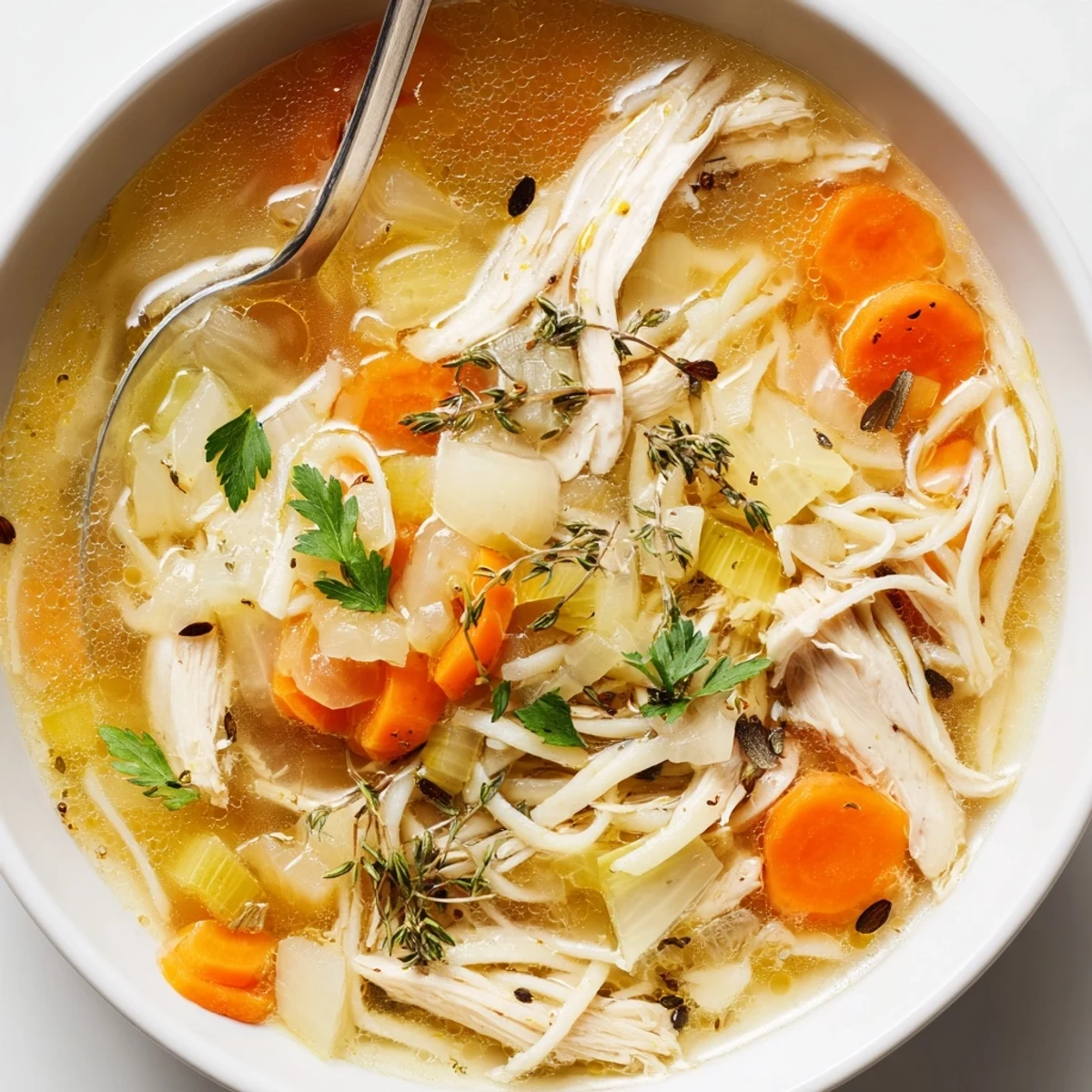
Save The best batch I ever made was the one I almost ruined by forgetting it on the stove while helping my daughter with her homework. That extra half hour of gentle simmering turned the broth a deep amber and concentrated every flavor until it tasted like it came from a restaurant.
Getting the Broth Right Every Time
The single most important decision you make is whether to use cold water or store bought broth as your starting liquid. Cold water draws flavor slowly out of the bones and creates something that tastes like you made it from scratch, because you did. Store bought broth is convenient and gives you a safety net of flavor, especially on nights when you are tired and just need dinner to work.
Making It Your Own
Once you feel confident with the basic version, start playing with additions that reflect what you love. A squeeze of lemon juice at the end brightens everything and makes the broth taste lighter. A pinch of turmeric gives the soup a beautiful golden hue and a subtle warmth that pairs surprisingly well with chicken.
Storage and Reheating Advice
This soup tastes better the next day because the flavors continue to develop as it sits in the refrigerator overnight. Let it cool completely before transferring it to airtight containers, and store it for up to four days or freeze it for three months.
- When reheating, warm it gently on the stove instead of using the microwave so the broth stays clear.
- If you froze the soup, thaw it overnight in the refrigerator for the best texture.
- Store noodles separately if you plan to freeze, because they absorb broth and turn mushy over time.
 Save
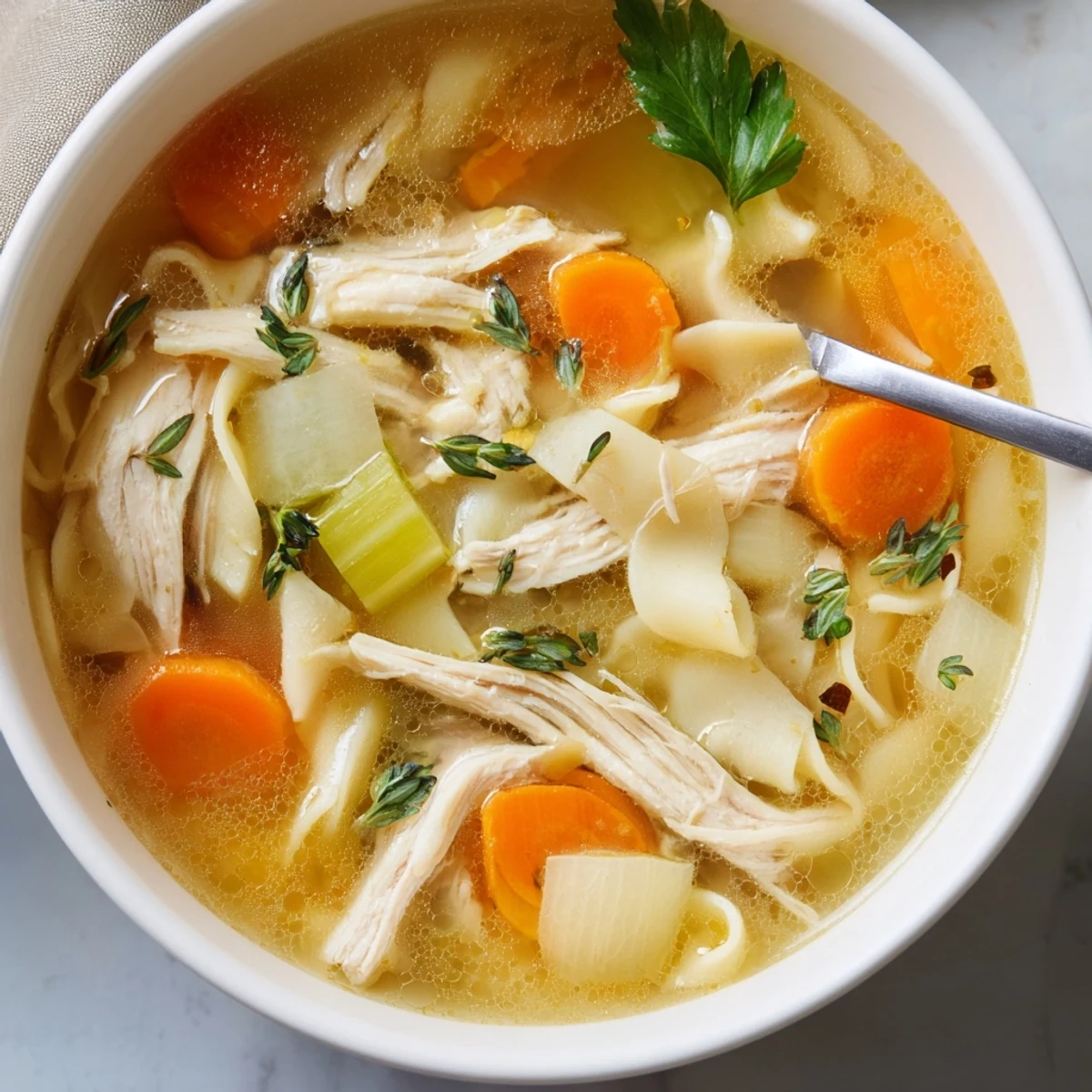
Save Some recipes become favorites because they are impressive, but this one earns its place because it asks so little and gives so much back. Keep it in your back pocket for the nights when someone you love needs a little extra care.
Recipe FAQs
- → How long should I simmer the chicken?
-
Simmer gently for 45–60 minutes until the chicken is cooked through and vegetables are tender. A slow, gentle simmer yields clearer broth and more tender meat.
- → Can I use boneless chicken instead of bone-in?
-
Yes. Boneless pieces cook faster and will need less time—check after 25–35 minutes. Note that bone-in chicken yields a richer, more gelatinous broth.
- → How can I keep this gluten-free?
-
Use rice or certified gluten-free noodles in place of regular egg noodles and verify all packaged ingredients are labeled gluten-free.
- → Any tips for deeper flavor?
-
Sauté the vegetables in a little olive oil before adding liquid, roast the bones briefly, or simmer longer on low heat. Fresh herbs added at the end brighten the flavor.
- → How should I store and reheat leftovers?
-
Cool promptly and refrigerate for up to 3–4 days, or freeze up to 2–3 months. Reheat gently over low heat until steaming; add a splash of water or broth if it reduces too much.
- → Can I make this ahead of time?
-
Yes. Flavors deepen overnight in the fridge. Remove excess fat after chilling if you prefer a leaner broth, then reheat and finish with fresh herbs before serving.