
 Save
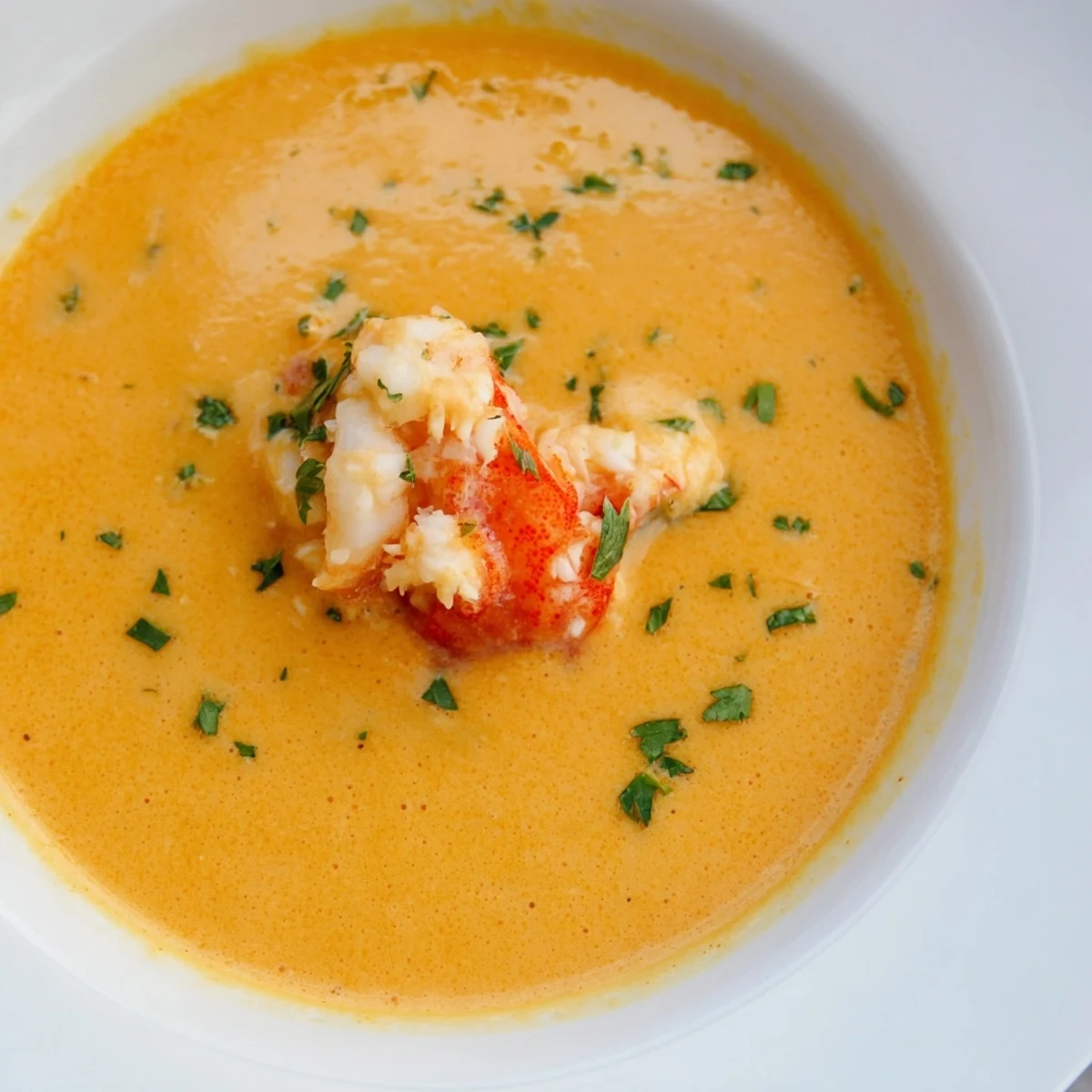
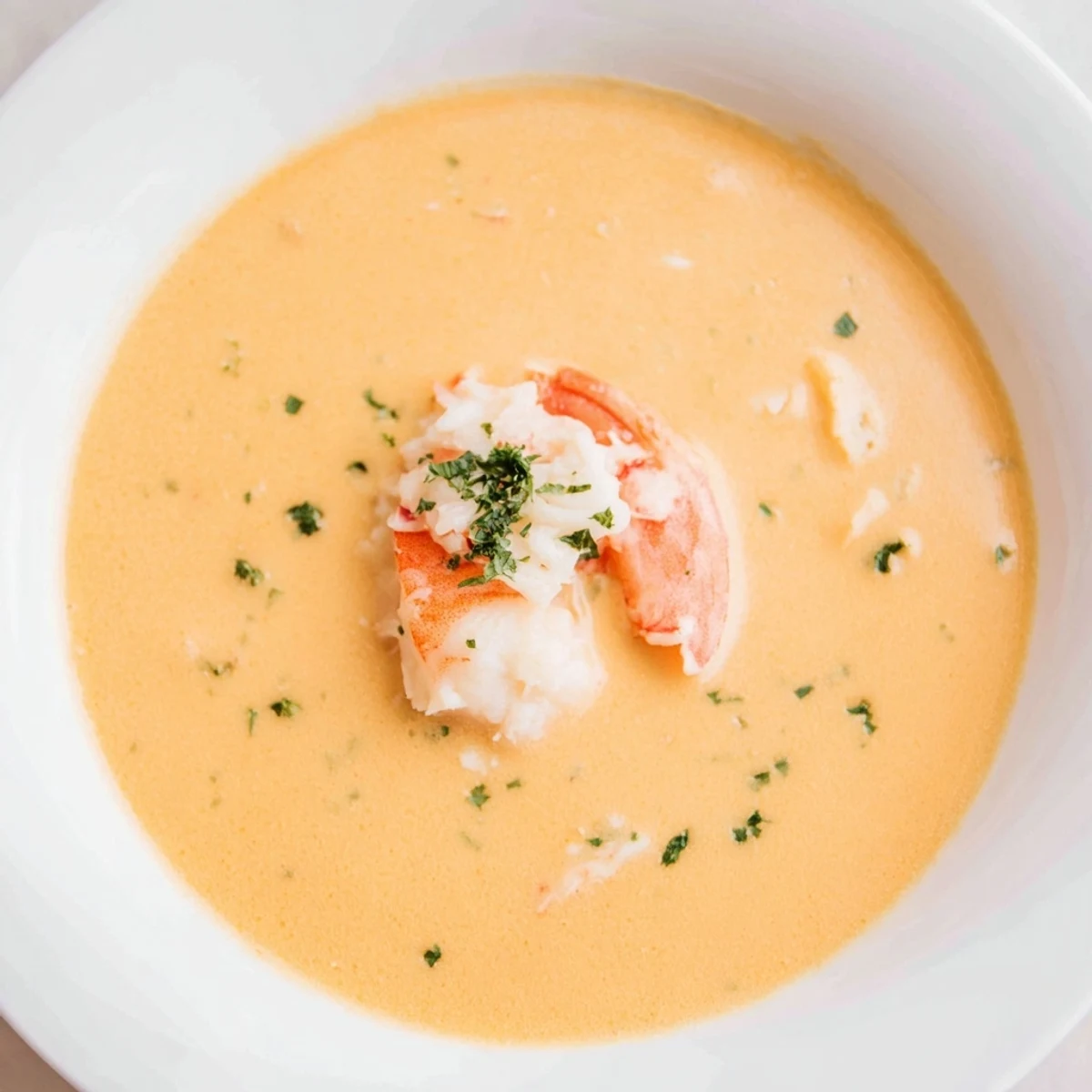
Save This French-American bisque delivers a velvety, luxurious texture with every spoonful. Tender lump crab and succulent shrimp swim in a rich, creamy base built from sautéed aromatics, tomato paste, and a splash of dry sherry. Blended until silky smooth, then finished with heavy cream and milk, it achieves that classic restaurant-quality consistency right at home. Ready in about an hour with straightforward techniques, it strikes the perfect balance between elegance and comfort. Garnish with fresh parsley and a squeeze of lemon to brighten each bowl. Pairs beautifully with crusty French bread or a crisp white wine.
A cold November rain was beating against the kitchen window when I first attempted a proper bisque, convinced I could shortcut the process and still end up with something silky. The result was grainy and thin, and I stood there disappointed until my neighbor Joan, who ran a catering business for thirty years, told me the secret was patience at every stage, not shortcuts.
I made this for a small dinner gathering last winter when the wind chill dropped below zero and everyone showed up shivering. Within minutes of ladling it into bowls, the complaints about the cold stopped entirely and someone actually moaned out loud after the first bite.
Ingredients
- Lump crab meat: Fresh lump crab delivers sweetness that imitation simply cannot replicate, so check the packaging carefully and pick through for any stray shell fragments
- Large shrimp, peeled and chopped: Chopping the shrimp into bite sized pieces ensures even cooking and lets every spoonful carry a tender piece rather than one whole shrimp sunk to the bottom
- Unsalted butter and olive oil: Using both gives you the richness of butter without it burning, since the oil raises the smoke point just enough for sauteing the aromatics
- Onion, celery, and carrot: This classic mirepoix foundation builds the subtle sweetness that separates a proper bisque from a soup that just happens to have cream in it
- Garlic, minced: Two cloves is the sweet spot because anything more starts competing with the delicate seafood rather than supporting it
- Tomato paste: Caramelizing the paste for a full two minutes deepens the color and adds a roasted backbone that makes the bisque taste slow cooked
- Old Bay seasoning and sweet paprika: Old Bay brings that familiar coastal warmth while the paprika rounds out the color and adds a gentle smoky note
- Dry sherry or white wine: The sherry option is worth seeking out because it contributes a nutty sweetness that white wine cannot match in a bisque
- Seafood or fish stock: Homemade stock transforms this entirely, but a good quality store bought one works if you simmer it with the shells you saved from peeling the shrimp
- Heavy cream and whole milk: Using both keeps the bisque luxurious without becoming so heavy it sits like a brick in your stomach
- Bay leaf: A single leaf infuses quietly during the simmer and gets removed before blending so it never overpowers
- Fresh parsley: A scatter of chopped parsley on top breaks up the pale orange surface and adds a clean, bright finish
Instructions
- Build the flavor base:
- Melt the butter with olive oil in a large pot over medium heat, then add the finely chopped onion, celery, and carrot. Let them soften slowly for six to eight minutes until they turn translucent and fragrant, stirring occasionally so nothing browns.
- Bloom the spices and tomato paste:
- Stir in the minced garlic for one minute until fragrant, then add the tomato paste, Old Bay, and paprika. Cook this mixture for two full minutes, stirring frequently, until the paste darkens a shade and smells almost caramelized.
- Deglaze with sherry:
- Pour in the sherry or white wine and scrape up every bit stuck to the bottom of the pot. Let it bubble for one to two minutes until the raw alcohol smell fades and the liquid reduces slightly.
- Simmer the base:
- Add the seafood stock and bay leaf, bring everything to a gentle simmer, then cover and cook for fifteen minutes so the vegetables fully soften and the flavors meld.
- Purée until silky:
- Remove and discard the bay leaf, then use an immersion blender to purée the mixture until it is completely smooth with no visible chunks. If using a regular blender, work in batches and be careful with hot liquid.
- Add the cream:
- Stir in the milk and heavy cream, then bring the bisque back to a gentle simmer. Watch it closely and never let it come to a full boil or the cream may separate.
- Cook the seafood:
- Gently fold in the lump crab meat and chopped shrimp, then simmer for six to eight minutes until the shrimp turn pink and opaque throughout. Stir carefully so the crab stays in generous pieces rather than shredding.
- Season and serve:
- Taste the bisque and adjust with salt and freshly ground black pepper as needed. Ladle into warm bowls, finish with chopped parsley, and offer lemon wedges alongside for anyone who wants a bright squeeze.
 Save
Save My father in law, who rarely compliments food, went quiet after his first spoonful and then asked for a second bowl without looking up. That was the moment this recipe graduated from a dinner party dish to something I make just because Tuesday felt like it needed saving.
Stock Matters More Than You Think
I once used chicken stock in a pinch and the bisque tasted perfectly fine but somehow incomplete, like a song missing its bass line. Even a quick stock made by simmering shrimp shells in water for twenty minutes puts you miles ahead of anything from a carton.
The Blending Step Is Nonnegotiable
Early on I left the vegetables chunky thinking it would add texture, but a bisque earns its name from that ultra smooth consistency. The immersion blender is worth every penny here because transferring hot liquid to a countertop blender is messy and slightly dangerous.
Serving It Right
Warm your bowls in a low oven or under hot water before ladling because cold ceramic pulls heat right out of the bisque. A thick slice of crusty bread for dipping turns it from a soup course into a full meal.
- Keep lemon wedges on the side rather than squeezing them in beforehand so guests can control the acidity
- A crisp Sauvignon Blanc or Pinot Grigio cuts through the richness beautifully if you want a wine pairing
- This bisque actually tastes better the next day after the flavors settle, so make it ahead if you are hosting
 Save
Save There is something deeply satisfying about a soup that takes an hour but tastes like you spent all day on it. Keep this one in your back pocket for the nights that call for real comfort.
Recipe FAQs
- → Can I use frozen shrimp instead of fresh?
-
Yes, frozen shrimp works well. Thaw them completely under cold running water, pat dry, and chop before adding to the bisque. Avoid overcooking to keep them tender.
- → What's the best substitute for dry sherry?
-
A dry white wine like Sauvignon Blanc or Pinot Grigio is an excellent substitute. If you prefer no alcohol, use extra seafood stock with a splash of lemon juice for brightness.
- → How do I store leftovers?
-
Refrigerate in an airtight container for up to 3 days. Reheat gently over low heat, stirring often. Avoid boiling to prevent the cream from separating.
- → Can I make this bisque ahead of time?
-
You can prepare the blended base without the seafood and cream up to a day in advance. When ready to serve, reheat, stir in the dairy and seafood, and simmer until cooked through.
- → How can I make a lighter version?
-
Replace heavy cream with half-and-half and use whole milk as directed. You can also reduce the butter slightly. The texture will be lighter but still satisfying.
- → What type of crab meat is best?
-
Lump crab meat offers the best balance of flavor and texture. Avoid imitation crab, as it won't provide the same richness or delicate sweetness.