
 Save
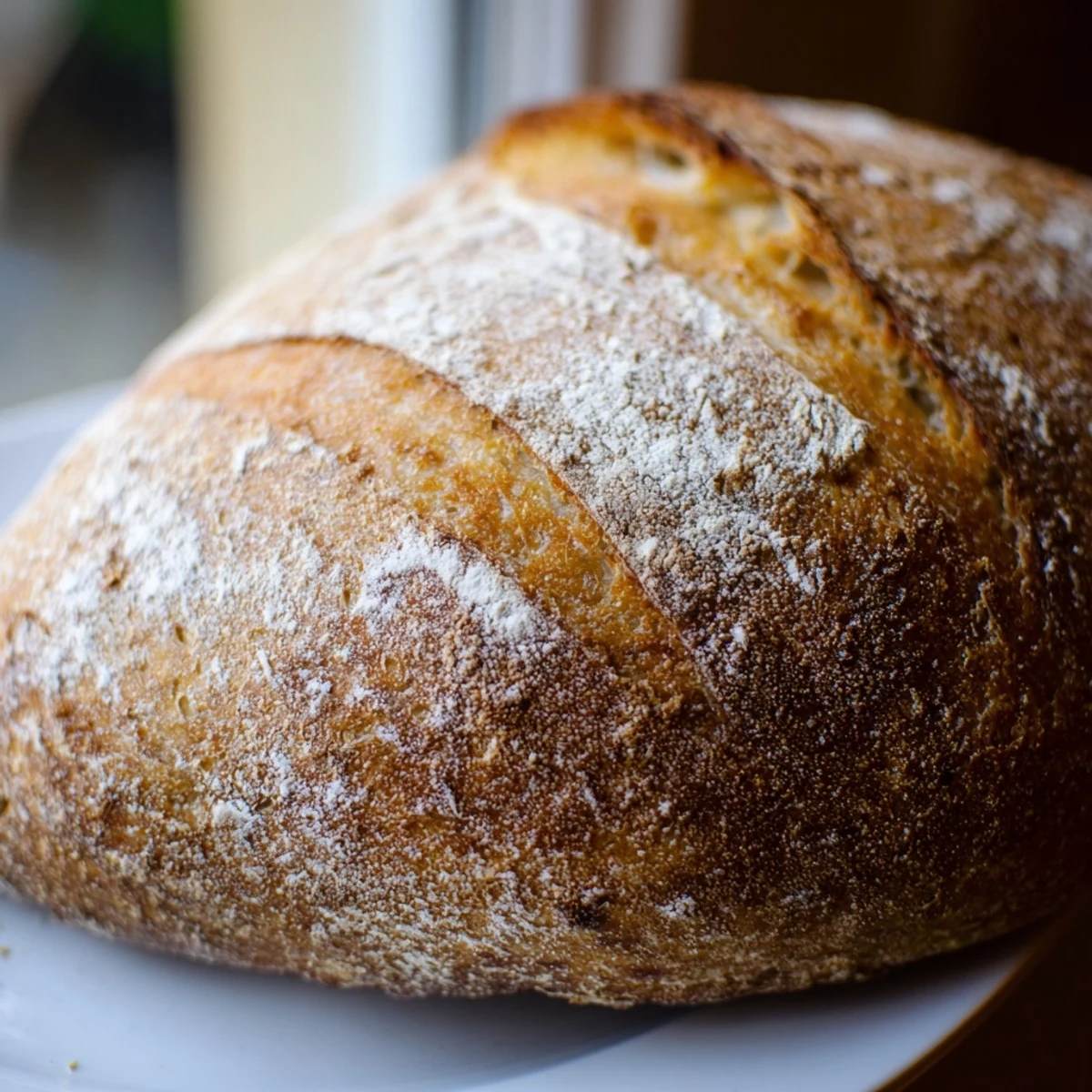
Save This traditional Italian bread delivers the perfect balance of textures—a crackling golden crust that gives way to a soft, chewy interior. The dough develops its signature flavor through a slow fermentation process, creating those signature air pockets and artisanal appearance.
The steam-baking technique creates the professional bakery crust you'd find in Italian kitchens, while the simple combination of flour, yeast, and olive oil produces reliable results every time. This versatile loaf handles everything from hearty sandwiches to sopping up rich sauces.
Ready in about three hours with mostly hands-off rising time, this bread rewards patience with exceptional flavor and texture. The recipe yields one substantial loaf that slices beautifully and stays fresh for days.
There is nothing quite like the smell of fresh bread baking in your kitchen, something about it makes a house feel like home immediately.
I started making bread during those long winter weekends when staying in felt like a luxury rather than a necessity.
Ingredients
- Bread flour: The higher protein content creates that perfect chewy texture and helps the bread rise beautifully
- Active dry yeast: Make sure your water is warm to the touch, not hot, or you will kill the yeast before it can work its magic
- Salt: Do not add this directly to the yeast mixture or it will inhibit fermentation
- Sugar: Just enough to feed the yeast and help develop that gorgeous golden crust
- Olive oil: Keeps the dough tender and adds a subtle richness
- Cornmeal: Prevents the loaf from sticking and adds a lovely texture to the bottom crust
Instructions
- Wake up the yeast:
- Stir yeast and sugar into warm water and watch for foam, this tells you the yeast is alive and ready
- Mix the dough:
- Combine flour and salt in a large bowl, create a well in the center, then pour in the yeast mixture and olive oil
- Knead until smooth:
- Work the dough on a floured surface for about ten minutes until it feels silky and bounces back when pressed
- First rise:
- Place dough in an oiled bowl, cover, and let it double in size in a warm spot
- Shape and rise again:
- Form the dough into a tight oval, let it rest for forty five minutes until puffy
- Create steam:
- Preheat oven with an empty pan on the bottom rack, pour hot water into it just before baking
- Bake to perfection:
- Score the top with a sharp knife, bake thirty to thirty five minutes until deeply golden
- Cool completely:
- Let the bread rest on a wire rack, slicing too soon will make the interior gummy
 Save
Save My neighbor actually knocked on my door the first time I made this, following the incredible smell right to my kitchen.
Getting The Perfect Rise
Find the warmest spot in your kitchen, I use the oven with just the light on.
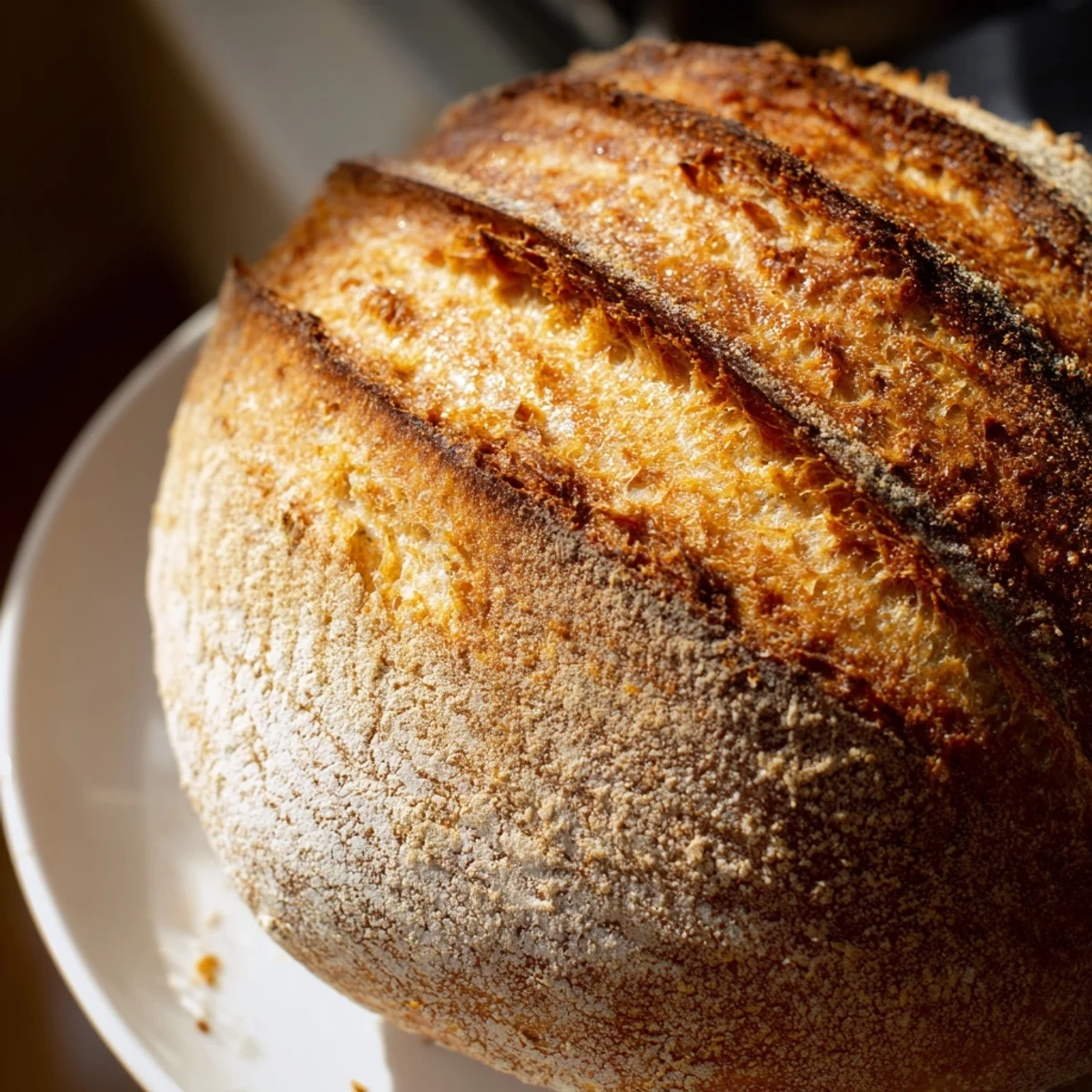
Scoring Like A Pro
Use your sharpest knife and make confident swift cuts, about half an inch deep.
Making It Your Own
Dried herbs, garlic powder, or even grated cheese can be folded into the dough during the final kneading.
- Try adding rosemary for a savory twist
- Brush the top with olive oil before baking for extra shine
- This dough also makes excellent pizza crust
 Save
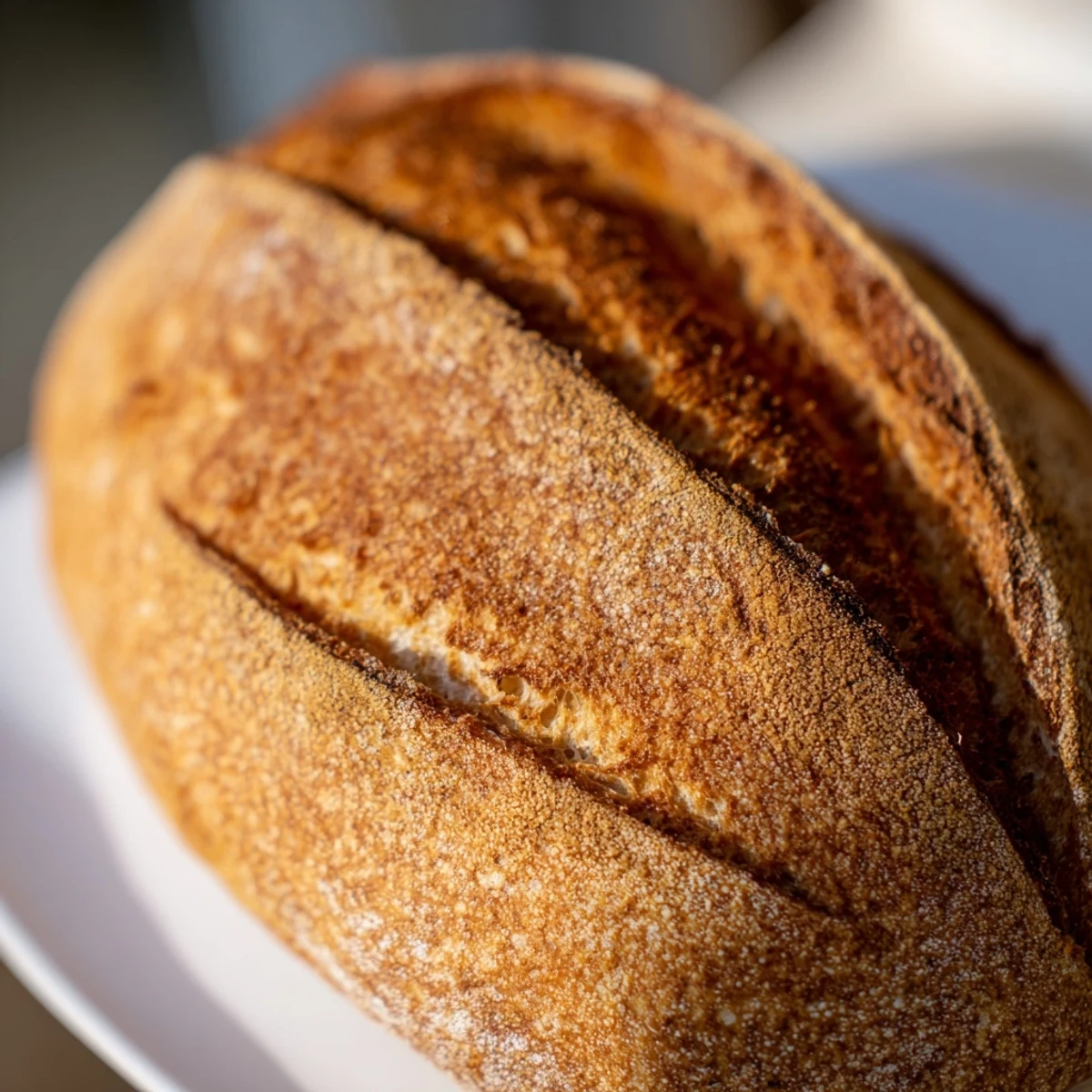
Save Nothing beats that first warm slice with nothing but good olive oil and maybe a little flaky salt.
Recipe FAQs
- → What makes the crust so crispy?
-
The steam created by pouring hot water into the preheated pan generates moisture that keeps the crust flexible initially, then allows it to develop a deep golden color and satisfying crunch as the steam evaporates during baking.
- → Can I make this without a stand mixer?
-
Absolutely. The dough comes together easily with a wooden spoon and some hand-kneading on a floured surface. Ten minutes of proper kneading develops the gluten structure needed for that perfect chewy texture.
- → Why does the dough need to rise twice?
-
The first rise allows the yeast to ferment and create flavor, while the second rise after shaping gives the loaf its final structure and volume. This double fermentation creates the characteristic airy crumb and complex taste.
- → How do I know when the bread is fully baked?
-
The crust should be deep golden brown, and the bottom should sound hollow when tapped. An instant thermometer inserted into the center should read at least 200°F for fully baked bread.
- → Can I add other ingredients to customize the flavor?
-
Dried herbs like rosemary, thyme, or oregano work beautifully. You can also add minced garlic, chopped olives, or sun-dried tomatoes to the dough during mixing for variations.
- → How should I store this bread?
-
Keep at room temperature in a paper bag for up to 3 days. For longer storage, slice and freeze in an airtight container. Avoid refrigerating as this accelerates staling.