
 Save
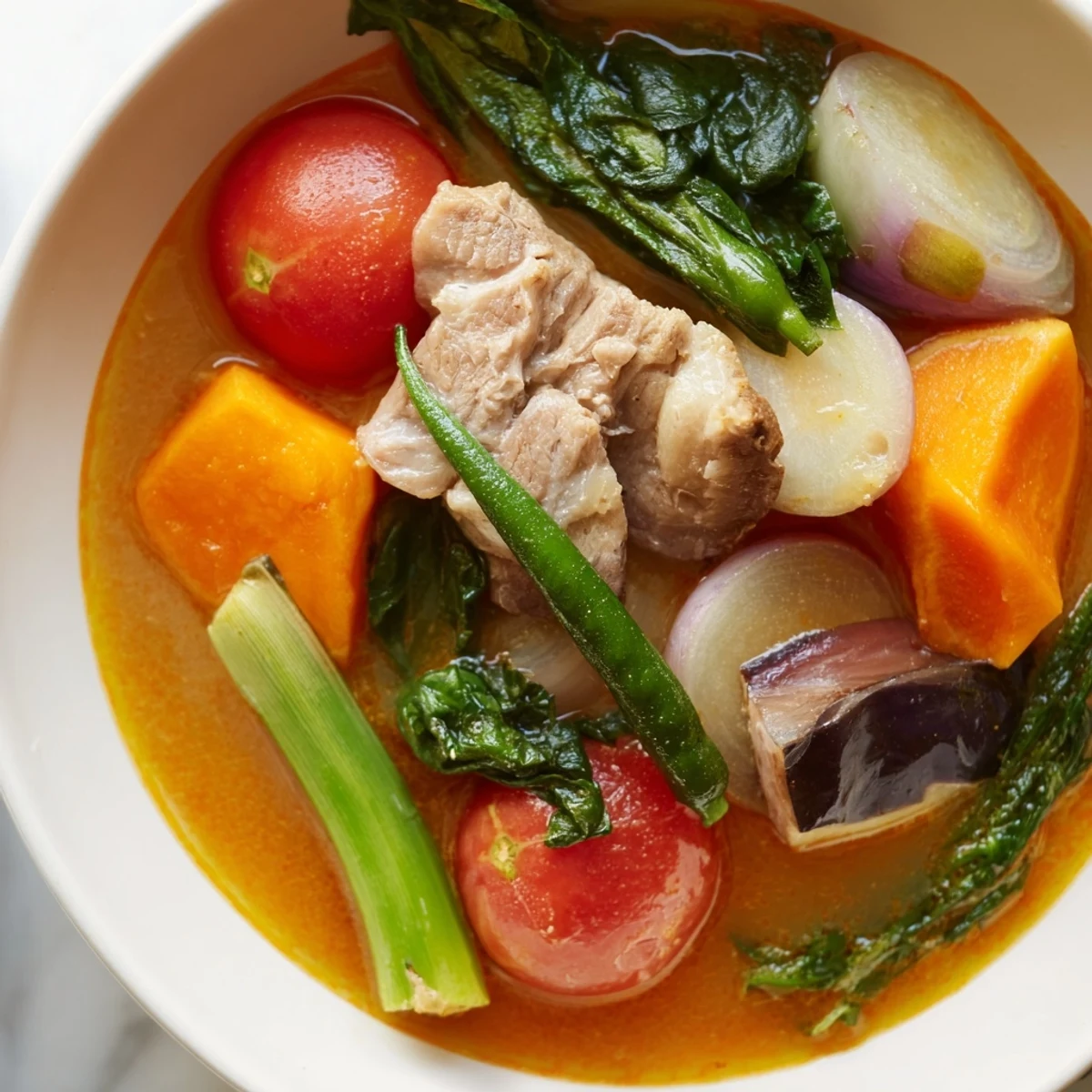
Save Experience the beloved flavors of Filipino cuisine with this authentic Sinigang, a hearty soup that balances tangy tamarind broth with tender pork and an array of fresh vegetables. The dish comes together in just over an hour, making it perfect for weeknight dinners or weekend comfort meals. The sour broth, achieved through tamarind, cuts through the richness of pork while the vegetables add texture and nutrition. Serve piping hot over steamed white rice for the complete Filipino dining experience.
The first time I had Sinigang was at my Lola's house during a particularly relentless monsoon season. I can still hear the rain drumming against her tin roof while that incredible sour aroma filled every corner of her kitchen. She warned me it would make my face pucker, but I ended up having three bowls that night.
Last winter, when my roommate caught a nasty flu and couldn't taste anything, I made a pot of Sinigang. She took one sip and her eyes actually lit up that sourness cut right through her congestion. Now whenever either of us feels under the weather, we automatically reach for the tamarind mix.
Ingredients
- 1 kg pork belly or pork ribs: Pork belly adds rich fat that melts into the broth, but ribs give you that satisfying meat-on-the-bone experience
- 2 medium tomatoes: These break down and add subtle sweetness to balance all that sour
- 1 large onion: Quarter them big so they don't completely disappear while simmering
- 1 daikon radish: This absorbs the sour broth and becomes incredibly tender
- 10 string beans: They add a fresh crunch that cuts through the rich pork
- 1 eggplant: Use the Asian variety if you can find it, they hold up better in soup
- 2 cups spinach or kangkong: Kangkong has this lovely water spinach flavor, but regular spinach works perfectly fine
- 2 long green chili peppers: Optional, but that gentle heat in the background makes everything pop
- 1 packet tamarind soup base mix: Fresh tamarind is wonderful but the packet is what Filipinos actually use at home
- 2 tbsp fish sauce: Don't skip this, it adds that essential umami depth
- 1 tsp salt and ½ tsp black pepper: Adjust these at the end since tamarind mixes vary in intensity
- 6 cups water: You want enough broth to have soup with every bite of rice
Instructions
- Get your pork started:
- Bring your water to a rolling boil in a large pot, then carefully drop in the pork chunks. Skim off that gray foam that floats to the top, it makes for a clearer, cleaner tasting broth.
- Build the base:
- Add your tomatoes and onions, then lower the heat and let everything simmer gently for about 20 minutes. You want the pork to start getting tender and the tomatoes to completely break down.
- Add the hearty vegetables:
- Throw in the daikon radish slices and give it another 10 minutes. They take longer to cook than the other vegetables and you want them soft but not falling apart.
- Add the remaining vegetables:
- Now add your eggplant, string beans, and those chili peppers if you're using them. Let everything simmer for just 5 minutes so they keep some texture.
- Create that signature sour broth:
- Stir in your tamarind soup base mix until completely dissolved. If you're using fresh tamarind pulp, mash it with some hot water first, strain out the seeds and fibers, then pour that liquid gold into the pot.
- Season it perfectly:
- Add your fish sauce, salt, and pepper. Start with less than you think you need, let it simmer for a minute, then taste. The broth should hit you with sour first, then have all those savory layers underneath.
- Finish with the greens:
- Drop in your spinach or kangkong leaves and cook for just 2 to 3 minutes. You want them wilted but still bright green, not sad and overcooked.
- Serve it up:
- Ladle the soup into bowls making sure everyone gets a good mix of meat, vegetables, and plenty of that amazing broth. Serve immediately with steaming hot white rice on the side.
 Save
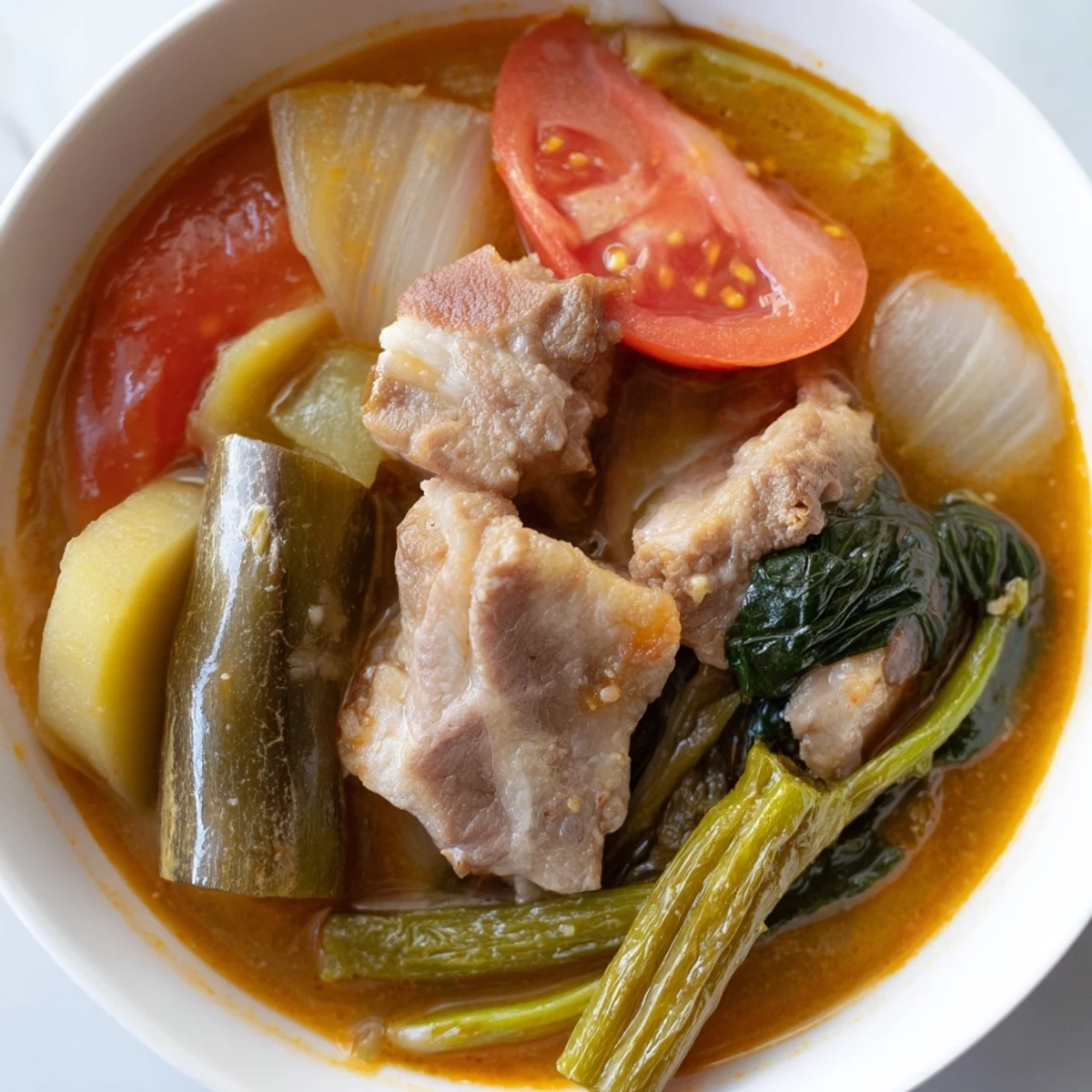
Save My friend Sarah finally tried Sinigang at our dinner party last month and kept asking what that incredible flavor was. She's now texted me three times asking for the recipe because her kids keep requesting the sour soup.
Choosing Your Protein
Pork is traditional, but shrimp Sinigang is what I make on hot summer days when something heavy feels like too much. The shrimp release their sweet flavor into the broth, creating this delicate balance with the sour that's absolutely refreshing. Just remember to add shrimp in the last 10 minutes or they'll turn rubbery and sad.
The Tamarind Situation
I've tried making Sinigang with fresh tamarind pods exactly once, and while it was incredible, I spent forty minutes boiling, mashing, and straining. Most Filipino home cooks use the packet mix, and there is absolutely no shame in that game. Some brands are more sour than others though, so always start with less and adjust.
Making It Your Own
The beauty of Sinigang is how forgiving it is with vegetables. My aunt always throws in okra, and my cousin swears by adding taro root for extra thickness. I've even seen versions with corn, which sounds strange until you try it and realize the sweetness balances everything beautifully.
- Don't be afraid to adjust the sour level to your taste
- Leftovers keep beautifully in the fridge for 3 to 4 days
- The broth actually develops more flavor overnight
 Save
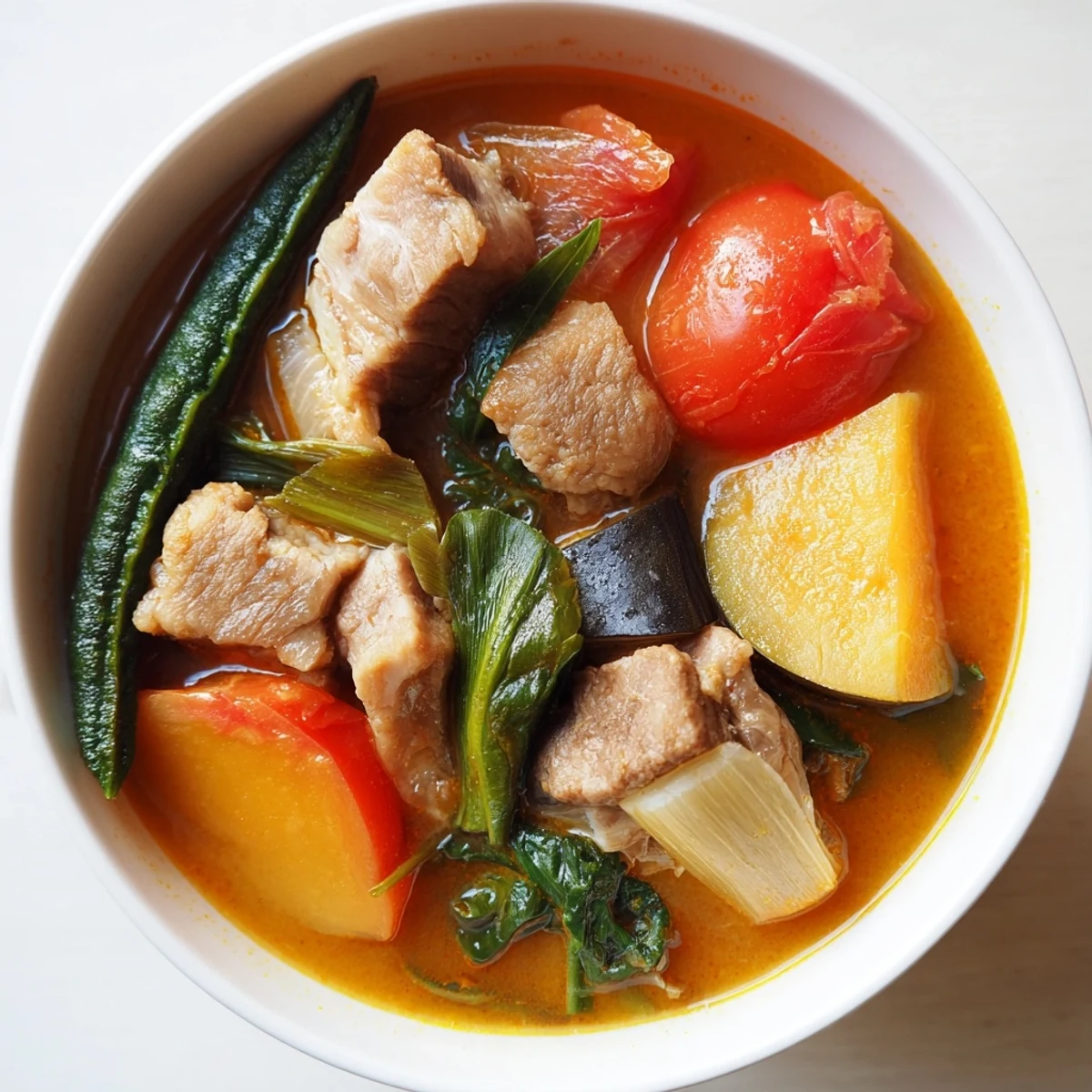
Save There is something about Sinigang that feels like home, no matter where you're from. I hope this recipe becomes one of those comfort meals you turn to again and again.
Recipe FAQs
- → What makes Sinigang sour?
-
The signature sourness comes from tamarind, which can be used fresh from pods, as prepared soup base mix, or from tamarind pulp. Some regional variations also use guava, calamansi, or other sour fruits to achieve that distinctive tangy flavor profile.
- → Can I make Sinigang with other proteins?
-
Absolutely. While pork belly and ribs are traditional, Sinigang works beautifully with shrimp, fish, beef, or even chicken. When cooking with seafood like shrimp or fish, add them during the last 10 minutes to prevent overcooking and maintain delicate texture.
- → What vegetables go best in Sinigang?
-
Classic additions include daikon radish, string beans, eggplant, tomatoes, onions, and leafy greens like spinach or kangkong (water spinach). You can also add okra, taro, or bok choy depending on availability and personal preference.
- → How do I adjust the sourness level?
-
Start with the recommended amount of tamarind base, then taste and gradually add more if desired. You can also balance intense sourness by adding a pinch more salt or a small amount of sugar. The goal is a pleasant tang that doesn't overpower the other flavors.
- → Is Sinigang better the next day?
-
Like many soups and stews, Sinigang often tastes even better after refrigeration overnight. The flavors have time to meld and the sour broth penetrates deeper into the meat. Reheat gently on the stove, adding fresh spinach or other greens just before serving.
- → What should I serve with Sinigang?
-
Steamed white rice is the traditional accompaniment, helping balance the sour broth. The dish also pairs well with crispy fried fish on the side or a simple vegetable salad. For beverages, a chilled Sauvignon Blanc complements the tangy flavors nicely.