
 Save
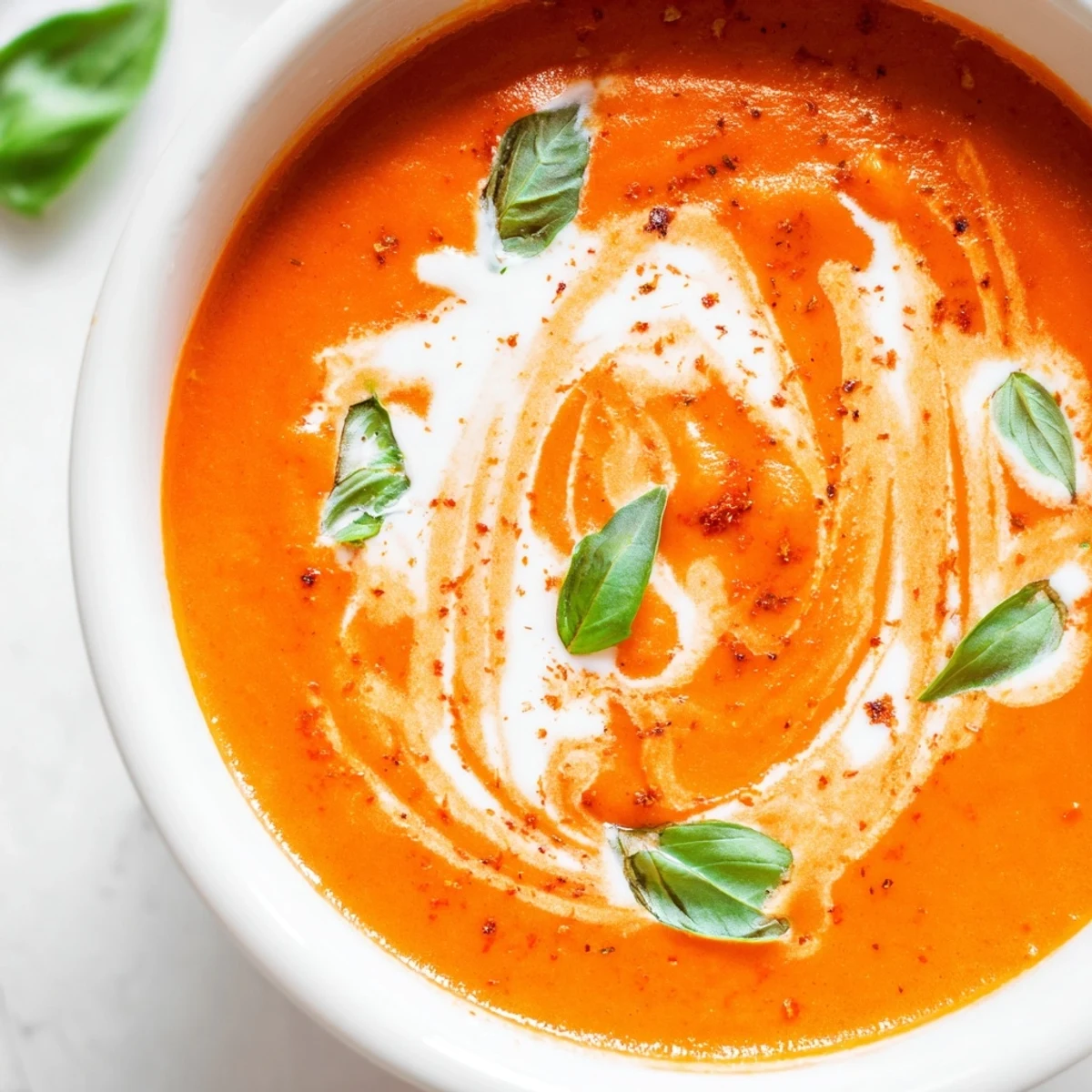
Save This fire roasted tomato soup delivers smokey depth in every spoonful. Canned or homemade charred tomatoes blend with aromatic vegetables, smoked paprika, and thyme for a luxurious, silky texture.
The preparation comes together in just 15 minutes of active work, then simmers for 20 minutes to develop those rich, concentrated flavors. An immersion blender creates the signature velvety consistency.
Finish with optional cream for extra richness or keep it light and dairy-free with coconut cream. Serve alongside grilled cheese or crusty sourdough for the ultimate comfort meal.
My grandmother believed that fire-roasted tomatoes held magic in their charred skins, and after years of making this soup, I think she might have been right. The first time I attempted this recipe, I set off the smoke alarm while trying to char fresh tomatoes over my gas stove, but the resulting soup was worth the commotion. Now, whether I use homemade fire-roasted tomatoes or a quality canned version, that smoky depth transforms an ordinary tomato soup into something extraordinary.
Last winter, during a particularly brutal snowstorm, I made triple batches of this soup and delivered containers to neighbors who were snowed in. One neighbor texted me later saying it was the most comforting thing she'd eaten since moving to the mountains, and now she requests it every time the forecast turns grim.
Ingredients
- Fire-roasted tomatoes: These are the heart of the recipe. Canned versions work perfectly, but if you're feeling ambitious, charring fresh tomatoes over an open flame adds an irresistible depth.
- Yellow onion, carrot, and celery: This classic aromatic trio forms the flavor foundation. The natural sweetness from carrot balances the tomatoes' acidity.
- Vegetable broth: Choose a high-quality broth you enjoy drinking on its own. The broth constitutes much of the soup's body and flavor.
- Smoked paprika: This amplifies the fire-roasted quality of the tomatoes. A half teaspoon hits the sweet spot without overwhelming the other flavors.
- Heavy cream or coconut cream: This is entirely optional, but it adds luxurious richness that transforms the soup from everyday to special occasion.
Instructions
- Build Your Flavor Foundation:
- Heat the olive oil in a large pot over medium heat. Add the onion, carrot, and celery, sautéing for 5 to 6 minutes until the vegetables soften and your kitchen fills with their sweet, aromatic fragrance.
- Wake Up the Spices:
- Stir in the minced garlic, smoked paprika, and dried thyme. Cook for just 1 minute until the garlic becomes fragrant—this quick step releases essential oils and prevents the garlic from turning bitter.
- Simmer to Perfection:
- Add the fire-roasted tomatoes and vegetable broth to the pot. Bring everything to a gentle boil, then reduce the heat and let simmer uncovered for 20 minutes, allowing all those flavors to meld together beautifully.
- Balance and Blend:
- Taste the soup and add sugar if you find the tomatoes too acidic. Use an immersion blender to purée directly in the pot, or carefully transfer batches to a standard blender until completely smooth.
- Finish with Cream:
- Stir in heavy cream or coconut cream if using. Season generously with salt and black pepper, then simmer for an additional 2 to 3 minutes to warm the cream through.
- Serve and Garnish:
- Ladle the hot soup into bowls and finish with fresh basil or parsley. The bright herbs add a pop of color and freshness that cuts through the rich, smoky flavors.
 Save
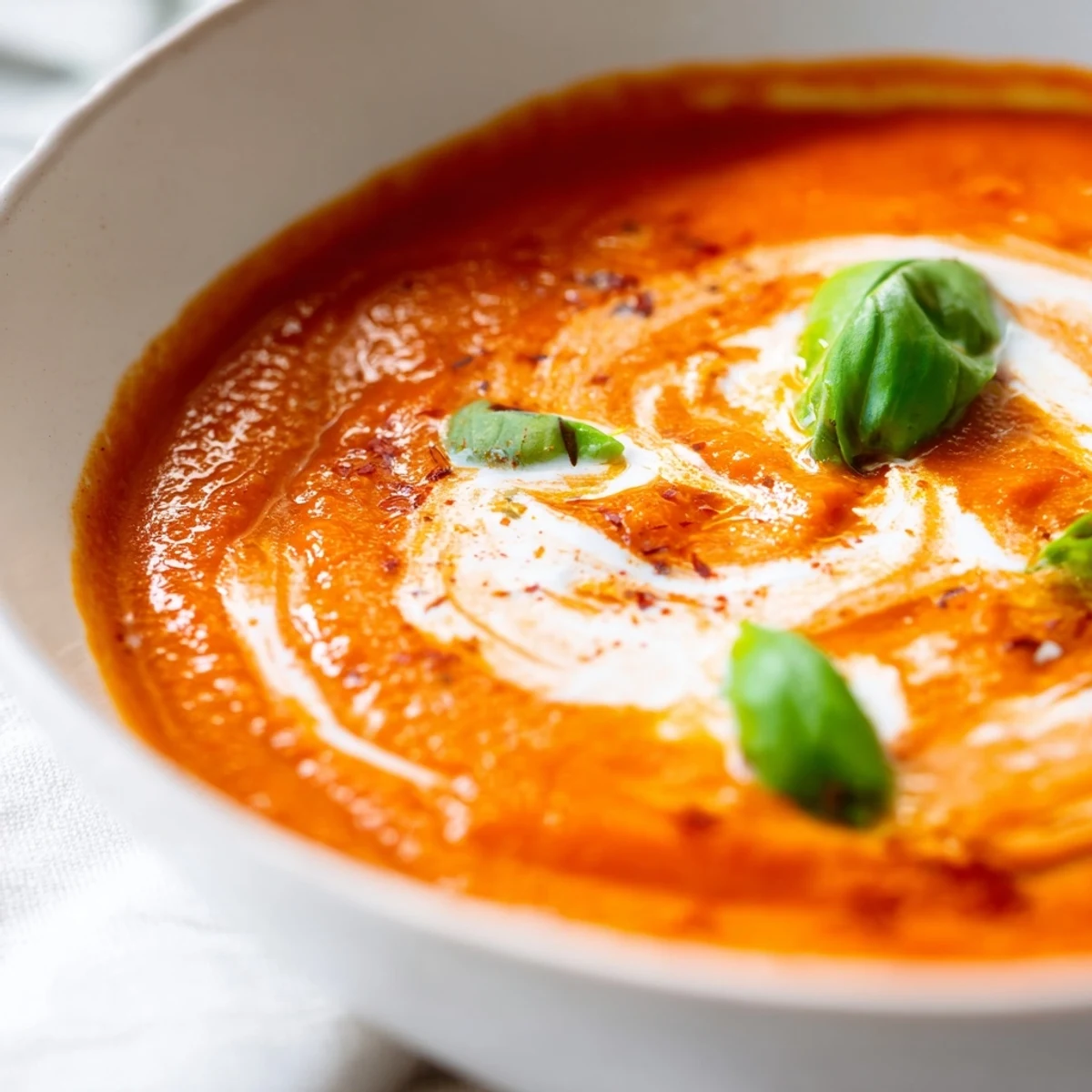
Save This soup has become my go-to when friends need comfort. There's something about the combination of smoky tomatoes and warm cream that feels like an embrace in a bowl, and I've watched it turn difficult days around more times than I can count.
Make It Your Own
For a protein boost, stir in a can of white beans during the last 10 minutes of simmering—they blend beautifully when puréed and add silky texture without altering the flavor profile. I've also added a handful of spinach or kale right before blending for extra nutrition.
Storage and Reheating
This soup actually improves overnight as the flavors continue to develop. Store it in an airtight container in the refrigerator for up to 5 days, or freeze for up to 3 months. When reheating, add a splash of broth or water if it has thickened too much.
Perfect Pairings
While a classic grilled cheese sandwich is the obvious companion, try serving this alongside a sharp cheddar and apple panini for an autumn-inspired meal that never fails to impress.
- Crusty sourdough bread, toasted and rubbed with garlic
- A simple green salad with vinaigrette to cut the richness
- Roasted root vegetables seasoned with the same smoked paprika
 Save
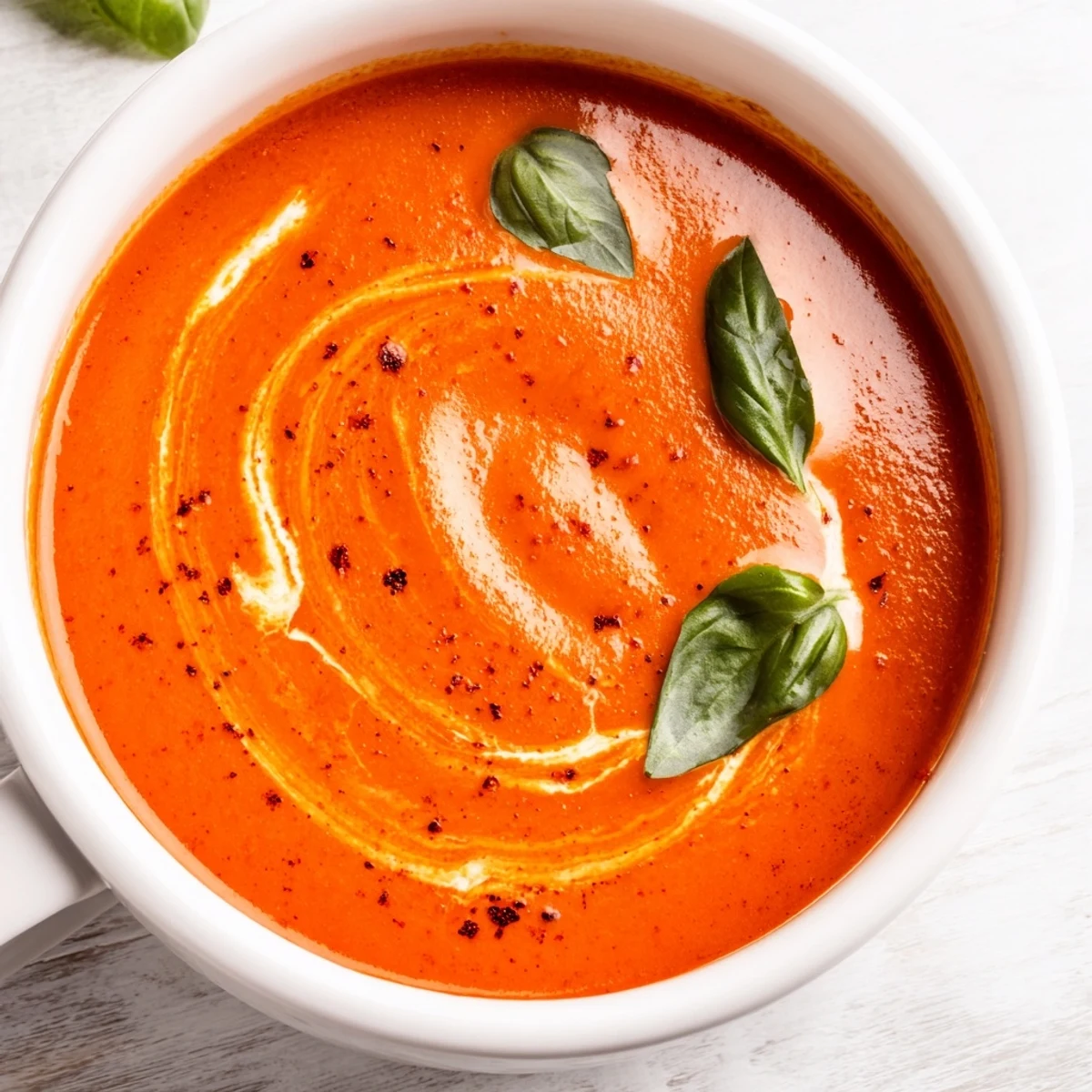
Save Whether you're curled up with a book or feeding a crowd on a chilly evening, this soup brings warmth to the table and comfort to the soul.
Recipe FAQs
- → Can I use fresh tomatoes instead of fire-roasted?
-
Fresh tomatoes work but lack that signature charred flavor. To replicate fire-roasted tomatoes, char fresh tomatoes over a gas flame or grill until the skins blister, then peel before adding to the soup.
- → How long will this keep in the refrigerator?
-
This soup stores beautifully for 4-5 days in an airtight container. The flavors actually deepen and improve after a day or two. Reheat gently over medium-low heat, stirring occasionally.
- → Can I freeze this soup?
-
Absolutely. Cool completely, then freeze in freezer-safe containers for up to 3 months. Thaw overnight in the refrigerator before reheating. Note that cream may separate slightly—simply whisk while reheating to restore smoothness.
- → What's the best way to blend the soup?
-
An immersion blender is ideal—blend directly in the pot for easy cleanup and less mess. If using a standard blender, work in batches, never fill more than halfway, and vent the lid to release steam.
- → Can I make this vegan?
-
Yes. Substitute heavy cream with full-fat coconut cream, or simply omit the cream entirely for a lighter version. The soup remains rich and satisfying without dairy.
- → Why add sugar to tomato soup?
-
Tomatoes naturally vary in acidity. A small amount of sugar balances sharp notes and enhances natural sweetness. Taste after simmering—add only if the soup tastes too acidic for your preference.