
 Save
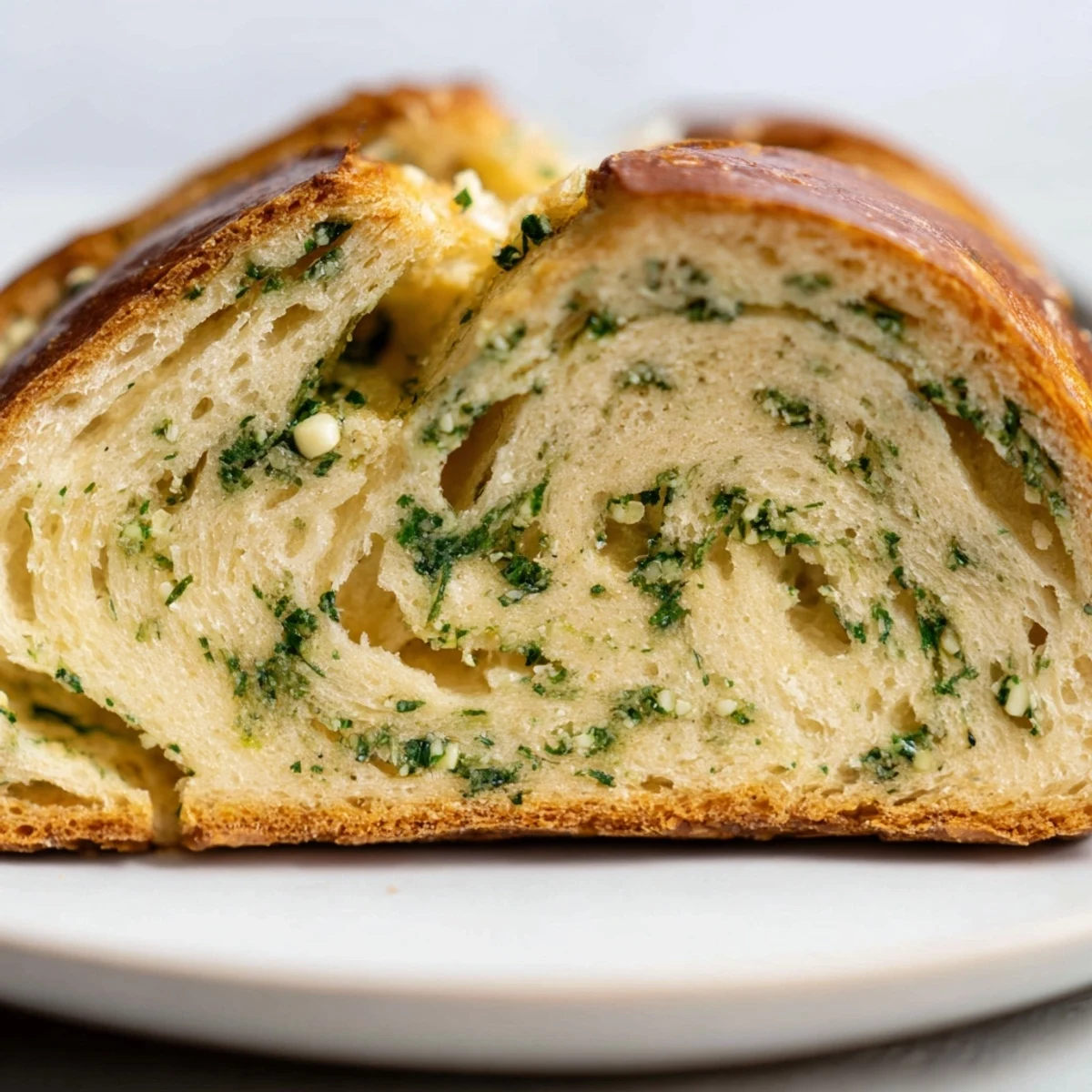
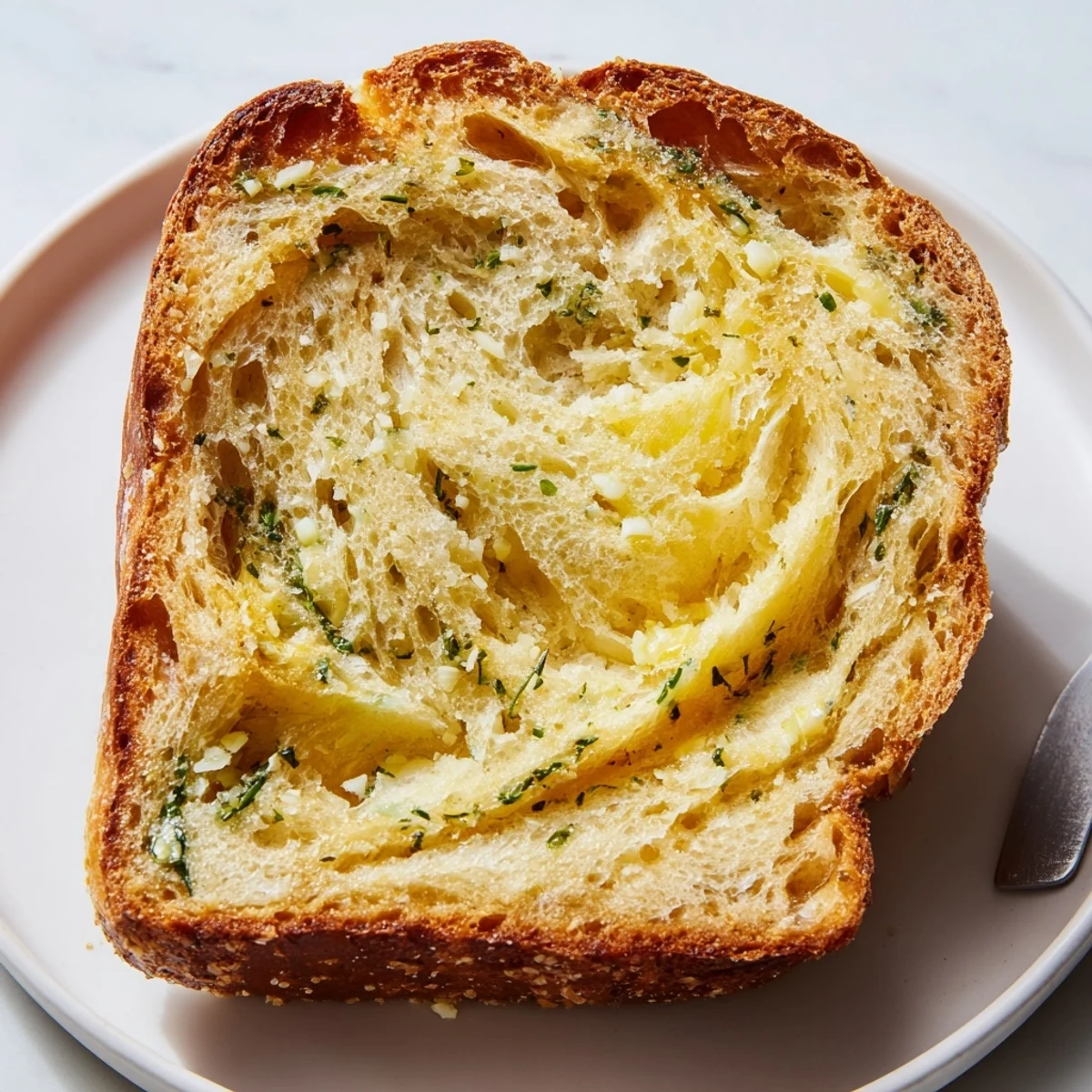
Save Create a bakery-style loaf with this simple garlic and herb bread. The dough rises to perfection, then gets rolled with a generous layer of softened butter blended with fresh parsley, rosemary, chives, and minced garlic. After a second rise, the bread bakes into a golden masterpiece with a soft, pillowy interior and aromatic, buttery swirl throughout.
The process is straightforward: mix the basic dough, let it rise, prepare the herb butter, roll, and bake. The result is a versatile loaf that pairs beautifully with Italian dishes, serves as an impressive appetizer, or stands alone as a satisfying snack.
The smell of garlic butter hitting warm dough still pulls me back to my first apartment kitchen, where I learned that patience and herbs can transform something as simple as flour into pure magic. I made this bread on a whim during a dinner party, expecting a basic side dish, but my friends kept sneaking slices until the loaf disappeared before the main course even hit the table.
My sister came over last winter when I was testing different herb combinations, and she literally stood by the oven waiting for the timer to go off. We ended up eating half the loaf straight from the pan with nothing but a little olive oil for dipping, laughing about how simple ingredients taste like something from a bakery.
Ingredients
- 3 cups all purpose flour: The foundation that gives this bread its structure and those satisfying pillowy layers inside
- 1 packet active dry yeast: Essential for that beautiful rise that creates the fluffy texture we all love
- 1 tsp sugar: Feeds the yeast and helps activate it for the best possible rise
- 1 tsp salt: Balances flavors and strengthens the gluten structure
- 1 cup warm water: Should feel like bath temperature, around 110°F to wake up the yeast without killing it
- 2 tbsp olive oil: Keeps the dough tender and adds a subtle richness
- 4 tbsp unsalted butter softened: The carrier for all those aromatic herbs and garlic that make this bread irresistible
- 4 cloves garlic finely minced: Fresh is absolutely worth it here, as it mellows beautifully during baking
- 2 tbsp fresh parsley: Adds bright fresh notes that cut through the rich butter
- 1 tbsp fresh rosemary: Piney and aromatic, it infuses every bite with depth
- 1 tbsp fresh chives: Delicate onion flavor that rounds out the herb blend perfectly
- ½ tsp black pepper: Just enough heat to make things interesting without overpowering
- ¼ tsp salt: Enhances all the other flavors in the garlic butter mixture
Instructions
- Wake up the yeast:
- Combine sugar, yeast, and warm water in a large bowl, then walk away for 5 minutes until you see a foamy layer forming on top
- Build the dough:
- Add flour, salt, and olive oil to the yeast mixture, stirring until you have a shaggy messy dough that holds together
- Knead with purpose:
- Turn onto a lightly floured surface and knead for 8 to 10 minutes, pushing with the heel of your hand and folding until the dough feels smooth and bounces back when you poke it
- Let it rise:
- Place in an oiled bowl, cover with a warm towel, and find a cozy spot for it to double in size, about an hour
- Make the magic spread:
- Mix butter, garlic, parsley, rosemary, chives, pepper, and salt until every buttery bit is infused with herbs
- Roll it out:
- Punch down the risen dough gently and roll into roughly a 9 by 13 inch rectangle, aiming for even thickness
- Spread the love:
- Coat the dough generously with your garlic herb butter, going all the way to the edges
- Roll and tuck:
- Starting from the short end, roll tightly into a log and place seam side down in a greased loaf pan
- Second rise:
- Cover and let rest for 30 minutes while you preheat the oven to 350°F
- Bake to golden:
- Bake for 30 to 35 minutes until the top is beautifully golden and the loaf sounds hollow when tapped
- Rest before slicing:
- Cool in the pan for 10 minutes, then move to a wire rack because slicing too warm will squash those perfect layers
 Save
Save Last Thanksgiving I made three loaves because I learned the hard way that one disappears faster than you expect. My grandmother asked for the recipe before she even finished her first slice, which is basically the highest compliment possible in my family.
Making It Your Own
Sometimes I swap in dried Italian herbs when I do not have fresh on hand, and honestly, it still turns out incredible. The key is adjusting quantities since dried herbs pack more punch per teaspoon than fresh ones.
Serving Suggestions
This bread has become my go to for soup nights because there is something perfect about dipping those buttery herb layers into tomato soup. It also holds up beautifully alongside pasta dishes or even just on its own as a casual appetizer.
Storage And Reheating
I have learned that wrapping the cooled loaf tightly in foil keeps it fresh for up to two days at room temperature. When you are ready to enjoy it again, pop slices in a 350°F oven for about 5 minutes and they will taste freshly baked.
- Freeze the whole loaf wrapped well for up to three months if you want to meal prep
- A light brush of olive oil before reheating helps revive the crispy exterior
- Never refrigerate bread as it actually stales faster in the cold environment
 Save
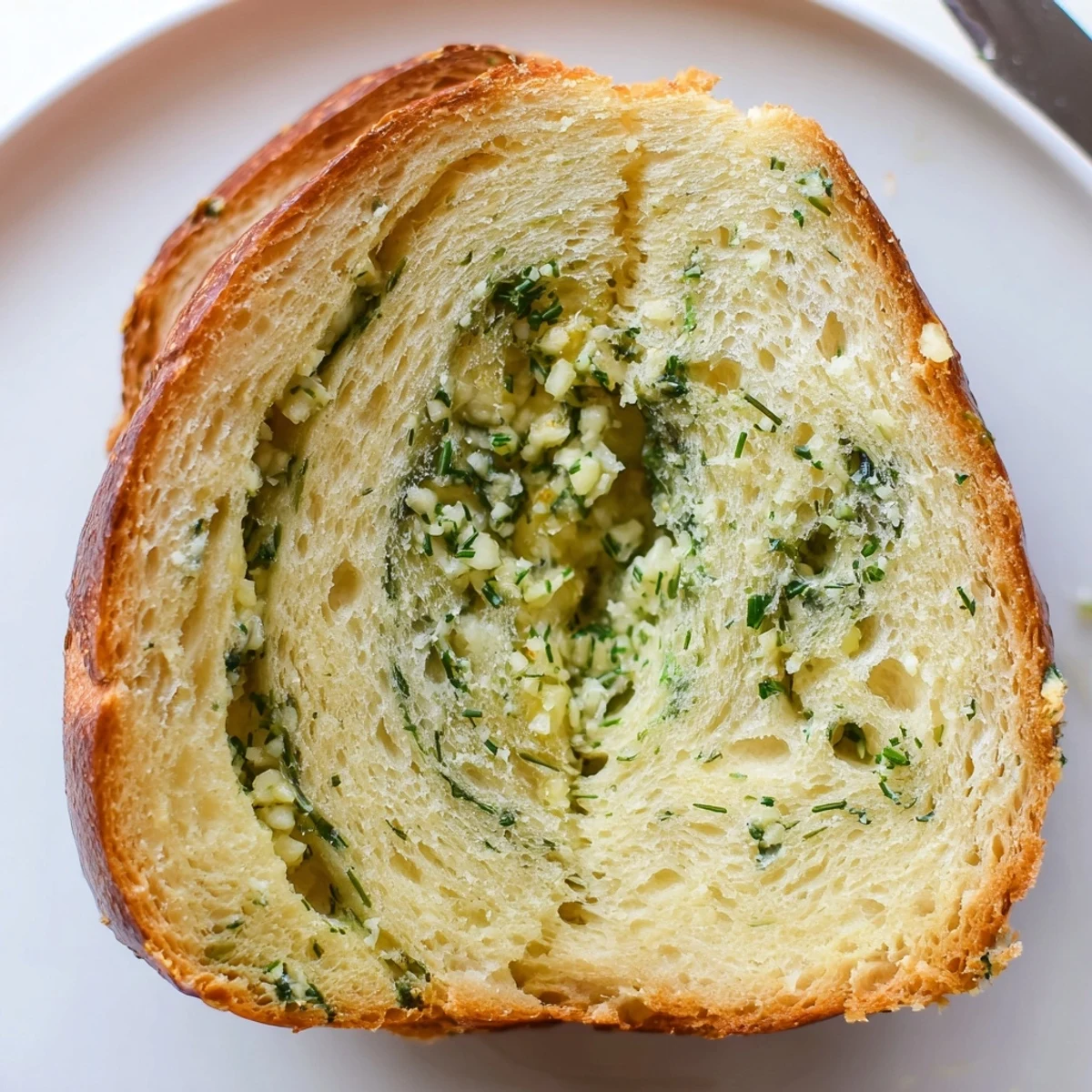
Save Every time I pull this loaf from the oven, I am reminded that the best recipes are often the simplest ones made with care and good ingredients. Hope your kitchen fills with as much warmth and garlic scented joy as mine always does.
Recipe FAQs
- → Can I use dried herbs instead of fresh?
-
Yes, substitute fresh herbs with 1½ teaspoons of dried mixed Italian herbs. The flavor will be slightly more concentrated, so adjust to taste.
- → How do I store leftover bread?
-
Wrap cooled bread tightly in plastic wrap or foil and store at room temperature for up to 2 days. For longer storage, freeze slices in an airtight bag for up to 3 months.
- → Can I make this vegan?
-
Absolutely. Replace the unsalted butter with your favorite plant-based butter alternative. The texture and flavor remain excellent with vegan substitutions.
- → Why did my dough not rise?
-
This usually happens if the water was too hot (killing the yeast) or too cold (slowing activation). Ensure your water is around 110°F/43°C—warm to the touch but not scalding. Also check that your yeast is fresh and not expired.
- → Can I prepare the dough ahead of time?
-
Yes, after the first rise, punch down the dough and refrigerate it overnight in a covered bowl. Let it come to room temperature for about 30 minutes before rolling and continuing with the herb butter step.
- → What can I serve with this bread?
-
This versatile loaf pairs wonderfully with soups, salads, pasta dishes, or as an appetizer with olive oil for dipping. It's also delicious alongside roasted vegetables or as part of a dinner spread.