
 Save
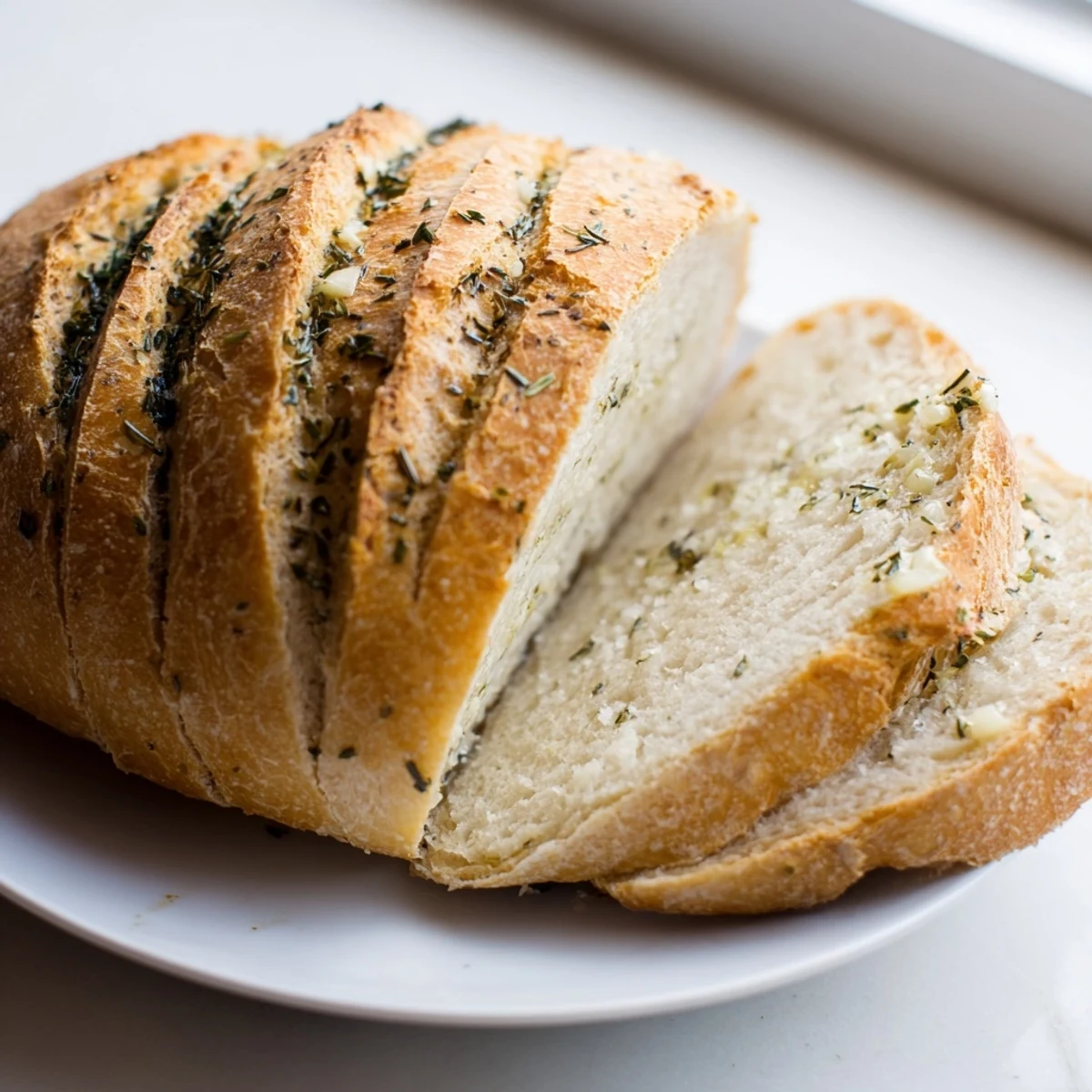
Save This artisan-style bread combines the earthy aroma of minced garlic with a blend of fresh rosemary, thyme, and parsley. The Dutch oven method creates a professional bakery-quality crust while keeping the inside tender and airy. After rising for two hours, the dough develops deep flavors before hitting high heat in the preheated pot.
The technique involves baking covered for thirty minutes to trap steam, then uncovering to achieve that signature golden-brown crunch. A finishing brush of melted butter adds richness and helps the fresh herbs cling to the crust. Perfect alongside soups, salads, or simply dipped in quality olive oil.
The smell of garlic and herbs hitting hot butter changed everything for me as a home baker. Id been making plain white bread for years, but one rainy Sunday I decided to throw in some minced garlic and whatever fresh herbs I had wilting in the fridge. That first pull apart of the crusty loaf revealed the most aromatic, tender crumb Id ever created.
My sister came over unexpectedly that day, and we ended up devouring half the warm loaf with just salted butter. She kept asking what I did differently, and the truth was I had almost thrown those herbs out the day before. Now I keep extras on hand specifically for bread making.
Ingredients
- Bread flour: Higher protein content gives this bread structure and that chewy artisan texture you cant get with all purpose
- Active dry yeast: Make sure your water is warm to the touch but not hot, or youll kill the yeast before it can work
- Garlic: Fresh minced garlic distributes evenly through the dough, infusing every bite with flavor
- Fresh herbs: Rosemary, thyme, and parsley create an aromatic blend that complements the garlic without overpowering it
- Olive oil: Keeps the dough manageable and adds subtle richness to the crumb
- Butter: Brushing the hot crust with melted butter right after baking adds shine and an extra layer of flavor
Instructions
- Mix the dough foundation:
- Combine flour, salt, sugar, and yeast in a large bowl. Pour in warm water and olive oil, then stir with a wooden spoon until you have a shaggy, sticky dough.
- Add the aromatics:
- Fold in the minced garlic, rosemary, thyme, and parsley until everything is evenly distributed throughout the dough.
- Let it rise:
- Cover the bowl tightly and let it rest at room temperature for about 2 hours. The dough should double in size and look puffy with bubbles on the surface.
- Shape the loaf:
- Turn the dough onto a floured surface and gently fold the edges underneath to form a round. Place it on parchment paper and let it rest for another 30 minutes while you preheat.
- Preheat your Dutch oven:
- Put your Dutch oven and its lid in the oven and heat to 450°F for at least 30 minutes. This step is crucial for getting that crispy crust.
- Bake with steam:
- Carefully lift the dough by the parchment and lower it into the hot pot. Score the top with a sharp knife, cover, and bake for 30 minutes.
- Finish with color:
- Remove the lid and bake for another 15 to 20 minutes until the crust is deeply golden. Brush immediately with melted butter and extra herbs.
 Save
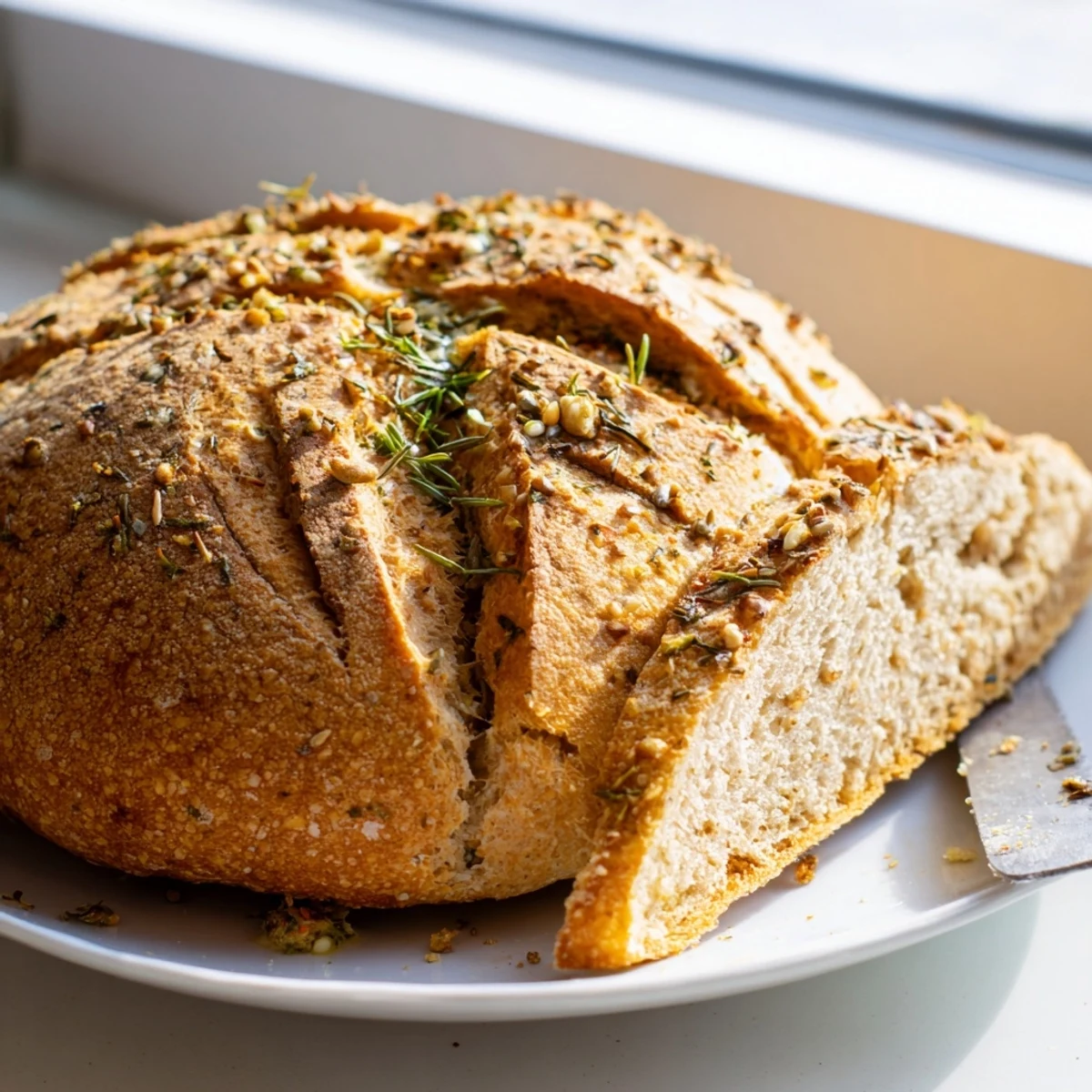
Save This bread became my go to for dinner parties because it looks impressive but takes so little hands on time. Theres something magical about pulling a bakery style loaf out of a simple cast iron pot.
Mastering the Crust
The Dutch oven method traps steam during the first part of baking, which creates that crackly, professional looking crust. The key is getting the pot screaming hot before the dough goes in.
Herb Variations
Dont be afraid to experiment with different herb combinations based on what you have or what youre serving. Fresh herbs work best, but dried herbs in smaller quantities will still give you wonderful flavor.
Storage and Serving
This bread stays fresh for about two days wrapped in foil or stored in a paper bag. To revive it, sprinkle with water and warm in a 350°F oven for 10 minutes.
- Freeze sliced bread in freezer bags for up to three months
- Toast day old slices and rub with raw garlic for instant garlic bread
- Use leftover slices for panzanella or bread pudding
 Save
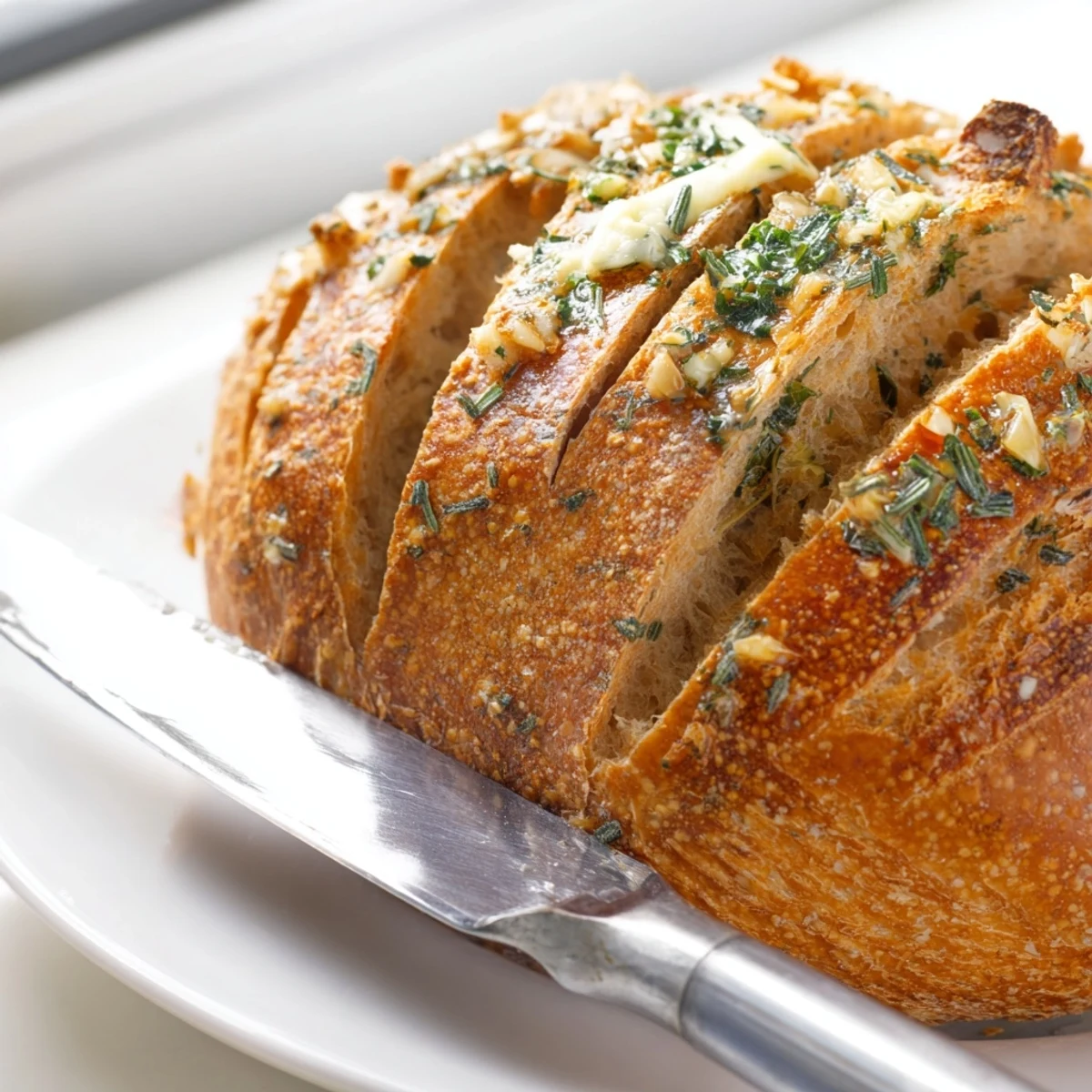
Save Theres nothing quite like the sound of a crackling hot loaf fresh from the oven. This bread might just become your new weekend tradition.
Recipe FAQs
- → What makes Dutch oven bread different from regular oven bread?
-
The Dutch oven creates a sealed environment that traps steam during baking, mimicking professional deck ovens. This steam allows the bread to rise fully before the crust sets, resulting in a crispy exterior with an airy, tender crumb that's difficult to achieve with standard baking methods.
- → Can I use dried herbs instead of fresh?
-
Yes, dried herbs work perfectly in this bread. Use 1 teaspoon of each dried herb in place of the fresh tablespoon amounts. Dried herbs are more potent by volume, so reducing the quantity prevents the flavors from becoming overwhelming.
- → Why is the dough so sticky and difficult to handle?
-
High hydration dough is intentionally sticky to create those desirable air pockets and tender texture inside. Generously flour your work surface and hands when shaping. The stickiness also contributes to better oven spring and a lighter finished loaf.
- → How do I know when the bread is fully baked?
-
The crust should be a deep golden brown color, and the bottom should sound hollow when tapped. An instant-read thermometer inserted into the center should read between 190-200°F (88-93°C). If the bottom is pale but the top looks done, remove the lid for the final minutes.
- → Can I prepare the dough ahead of time?
-
Yes, after the initial rise, you can refrigerate the dough for up to 24 hours. The cold fermentation actually develops more complex flavors. Let it come to room temperature for 30 minutes before shaping and baking as directed.
- → What if I don't have a Dutch oven?
-
A heavy cast iron pot with a tight-fitting lid works equally well. Alternatively, use a baking stone or steel with a metal bowl inverted over the dough to create steam. The key is trapping that initial steam for proper rise and crust development.