
 Save
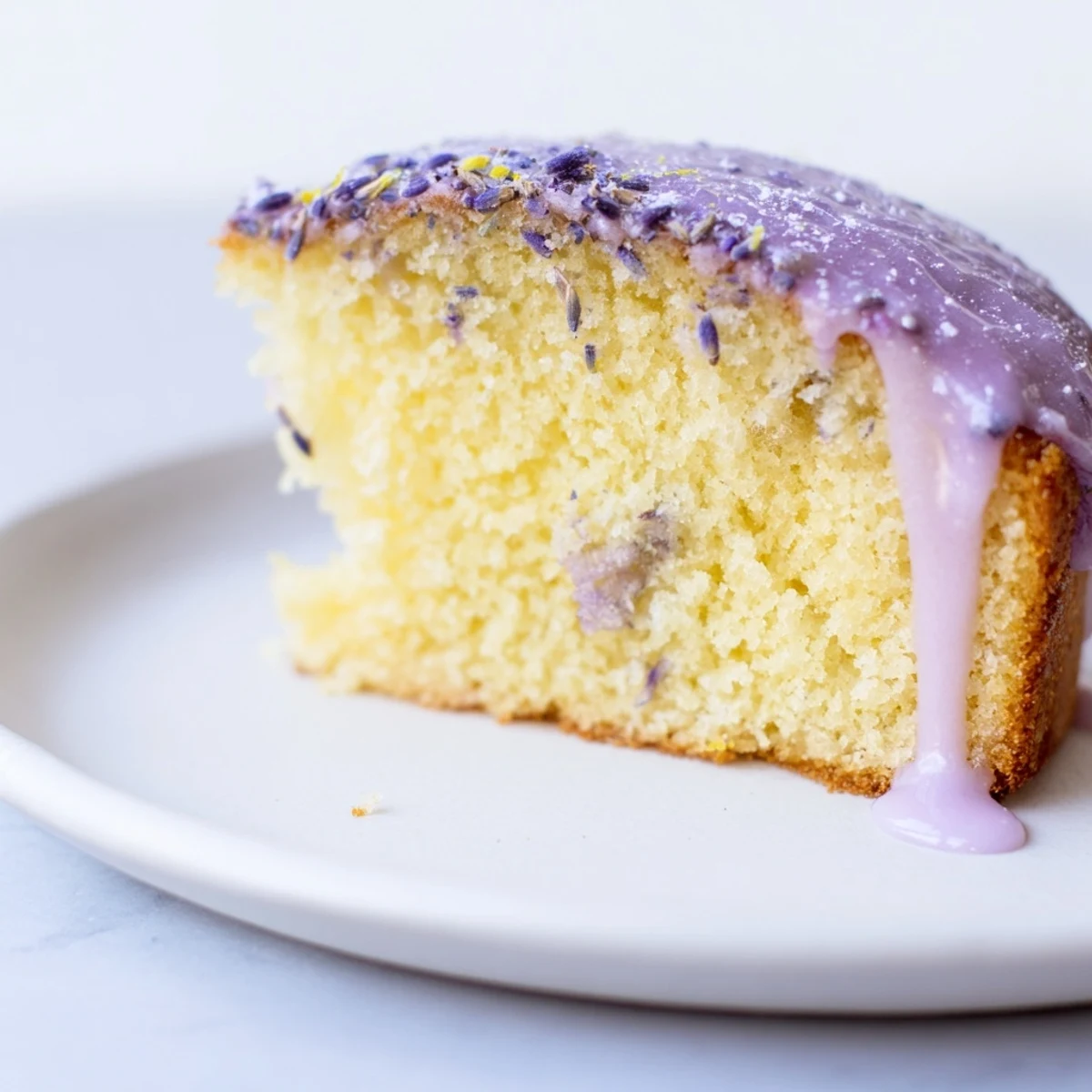
Save This elegant lavender cake combines the subtle floral notes of culinary lavender buds with a tender, moist crumb. The infusion process involves finely chopping food-grade lavender and incorporating it into a buttery vanilla batter, creating a sophisticated dessert that captures the essence of European baking traditions.
The optional lavender syrup soaking step enhances moisture and intensifies the aromatic profile, while the lemon-lavender glaze adds a bright, tangy finish that balances the floral sweetness. This medium-difficulty dessert requires 50 minutes total time and yields eight generous servings.
Perfect for afternoon tea, spring celebrations, or as an impressive conclusion to a special meal. The lavender flavor can be adjusted by reducing the buds by half for a more subtle taste, and the cake pairs beautifully with Earl Grey tea for a complete sensory experience.
The first time I baked with lavender, I accidentally used twice the amount called for and my kitchen smelled like an entire French field had exploded inside it. My husband walked in, coughed dramatically, and asked if I was trying to perfume the entire neighborhood. That cake was admittedly intense, but it taught me that lavender has this remarkable way of transforming an ordinary dessert into something that feels like a gentle afternoon in Provence.
I made this cake for my mothers birthday last spring when her book club came over. They were all skeptical about flower flavored cake, but I watched each of them take that first tentative bite and then immediately reach for a second slice. Three of them called me the next day demanding the recipe, which is basically the highest compliment a home cook can receive.
Ingredients
- All-purpose flour: The foundation of the cake, providing structure while keeping the crumb tender
- Baking powder: Essential for that lovely rise that makes the cake feel light and airy
- Salt: Just a pinch enhances all the other flavors and balances the sweetness
- Unsalted butter: Use it softened to room temperature for proper creaming and maximum fluffiness
- Granulated sugar: Sweetens and helps create that tender, delicate texture we want
- Large eggs: Bind everything together and add richness and structure
- Culinary lavender buds: Food grade only, finely chopped to distribute the floral flavor evenly
- Vanilla extract: Pairs beautifully with lavender and adds warmth to the flavor profile
- Whole milk: Adds moisture and creates a tender crumb throughout the cake
- Water: Creates the simple syrup base for infusing extra lavender flavor
- Powdered sugar: Creates that smooth, drizzleable glaze that finishes the cake perfectly
- Fresh lemon juice: Brightens the glaze and cuts through the floral sweetness
Instructions
- Preheat your oven:
- Set it to 350°F (175°C) and generously grease and flour an 8 inch round cake pan so nothing sticks
- Whisk the dry ingredients:
- Combine flour, baking powder, and salt in a bowl, then set it aside while you work on the wet ingredients
- Cream butter and sugar:
- Beat them together until the mixture is light and fluffy, then add eggs one at a time, mixing in the lavender and vanilla
- Combine everything:
- Alternate adding the flour mixture and milk, starting and ending with flour, mixing just until combined
- Bake the cake:
- Pour batter into your prepared pan, smooth the top, and bake for 25 to 30 minutes until a toothpick comes out clean
- Make the lavender syrup:
- While the cake bakes, simmer water, sugar, and lavender for 3 minutes, then strain and set aside
- Add the syrup:
- Let the cake cool for 10 minutes, poke small holes in the top, and brush with warm syrup if you are using it
- Prepare the glaze:
- Mix powdered sugar with lemon juice and finely chopped lavender until smooth and drizzleable
- Finish and serve:
- Let the glaze set completely before slicing into this beautiful, fragrant creation
 Save
Save My friend Sarah texted me at midnight after I served this at her bridal shower, confessing she ate three slices while standing in her kitchen in her pajamas. There is something about the combination of lavender and lemon that makes people lose all self control around this cake, and I am honestly not sorry about it.
Working With Lavender
I have learned that crushing the lavender buds between my fingers right before adding them releases the essential oils and makes the flavor pop. The scent that wafts up when you do this is absolutely intoxicating, like pressing your face into a bouquet of fresh flowers.
Getting The Perfect Glaze Consistency
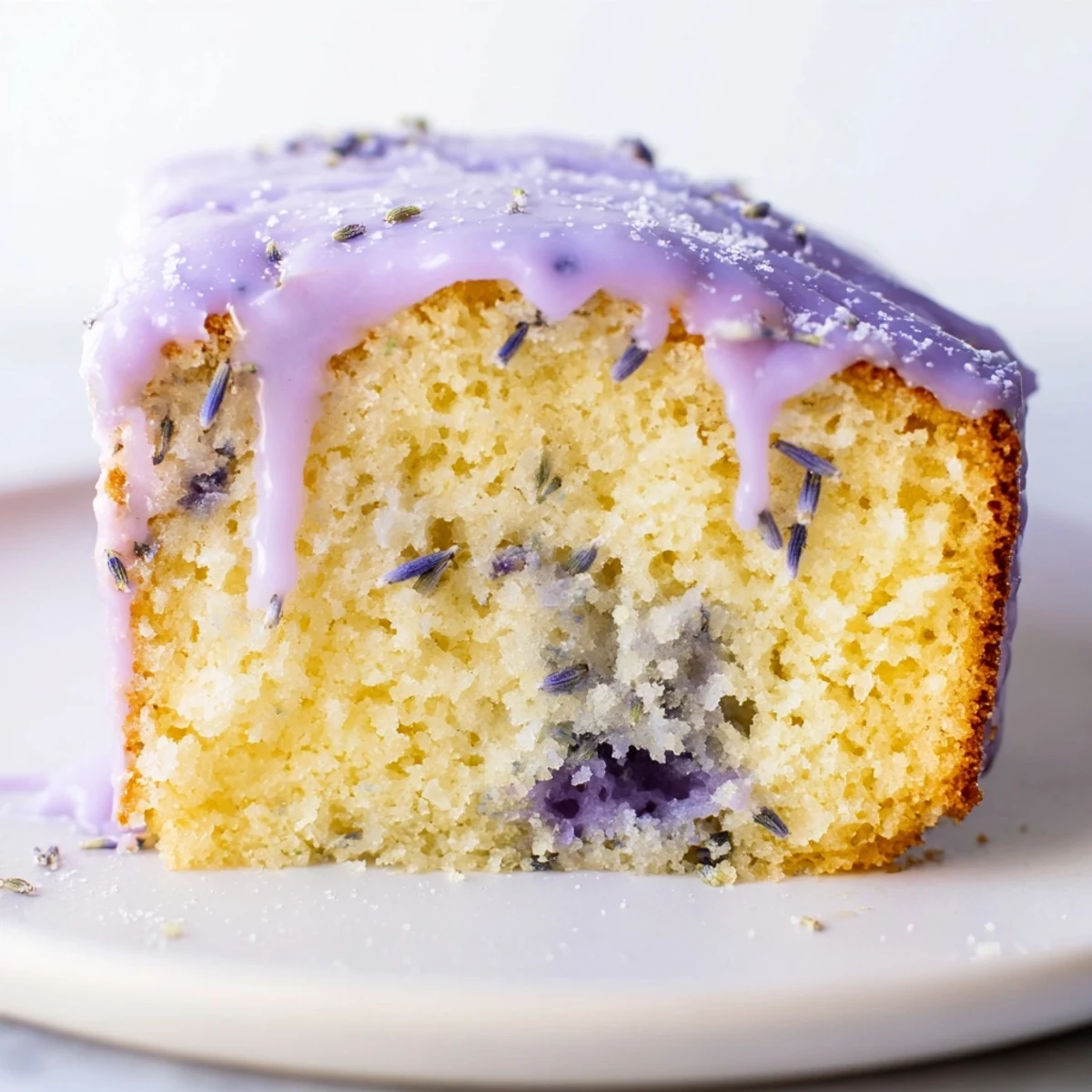
Sometimes the glaze is too thick and sometimes it is too thin, but I have found that starting with less lemon juice and adding more drop by drop gets you to that perfect drizzle every single time. You want it thick enough to cling but loose enough to cascade down the sides in beautiful ribbons.
Serving Suggestions
This cake deserves to be served with something that complements its elegance, like a cup of Earl Grey tea or a glass of sparkling wine. I once served it at a garden party and my friend commented that it tasted like something you would find at a fancy Parisian cafe.
- Let the cake cool completely before glazing or the glaze will melt right off
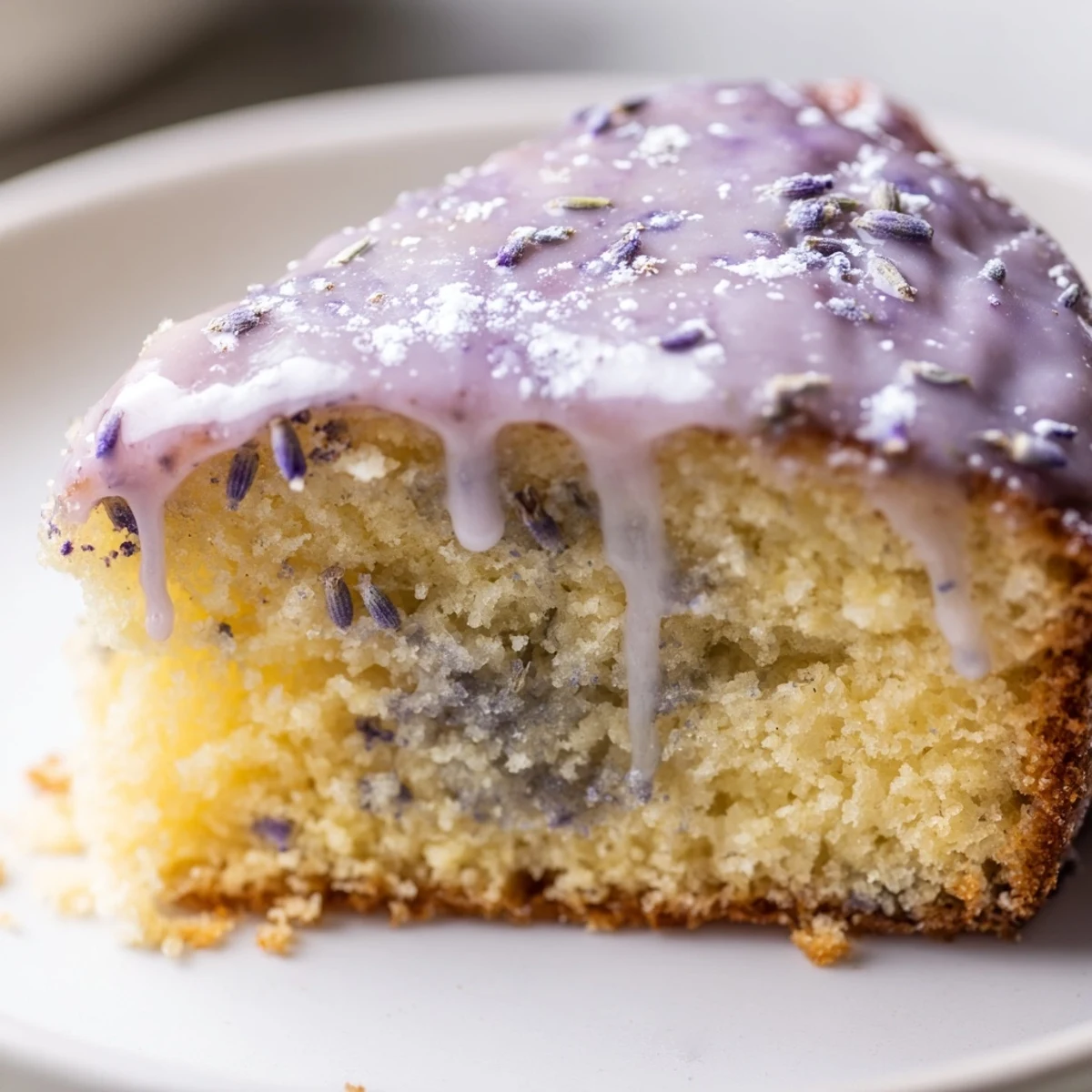
- Sprinkle a few extra lavender buds on top for the prettiest presentation
- This cake actually tastes better the next day when the flavors have had time to meld
 Save
Save Every time I make this lavender cake, I am transported back to that first overly ambitious attempt that filled my whole house with flowers. Sometimes the mistakes teach us the best lessons, and in this case, they led to a recipe that brings so much joy to everyone who tries it.
Recipe FAQs
- → What type of lavender should I use?
-
Use only culinary-grade lavender buds that are specifically labeled as food-safe. Regular garden lavender or decorative lavender may contain pesticides or have an overly strong flavor. Culinary lavender is cultivated for consumption and provides the ideal subtle floral notes.
- → Can I make this cake ahead of time?
-
Yes, the unfrosted cake can be wrapped tightly and stored at room temperature for up to 2 days or frozen for up to 3 months. Apply the glaze on the day of serving for the freshest appearance and texture. The syrup can be made up to a week in advance and refrigerated.
- → How do I adjust the lavender intensity?
-
For a more subtle flavor, reduce the lavender buds to 1 tablespoon in the cake and omit them from the glaze entirely. You can also steep the buds in warm milk for 10 minutes, then strain before incorporating, which provides a gentler infusion. Always start with less—you can add more but cannot remove it.
- → Can I substitute the all-purpose flour?
-
You can use cake flour for a lighter, more delicate texture—use 1⅔ cups cake flour instead of all-purpose. For gluten-free versions, a 1:1 gluten-free baking blend typically works well, though the texture may be slightly denser. Almond flour cannot be used as a direct substitute due to different structural properties.
- → Why is my cake dense or dry?
-
Overmixing the batter develops too much gluten, creating a dense texture. Mix only until ingredients are just combined. Dryness usually results from overbaking—start checking at 25 minutes. Using room-temperature ingredients and measuring flour by weight (190g) rather than volume ensures consistent results. The optional syrup step adds moisture if needed.
- → What can I serve with lavender cake?
-
This pairs exceptionally well with Earl Grey tea, which complements the floral notes. Fresh berries like strawberries or raspberries provide a tart contrast. A dollop of lightly sweetened whipped cream or crème fraîche adds richness. For beverages, consider sparkling wine or a dry rosé to enhance the spring flavors.