
 Save
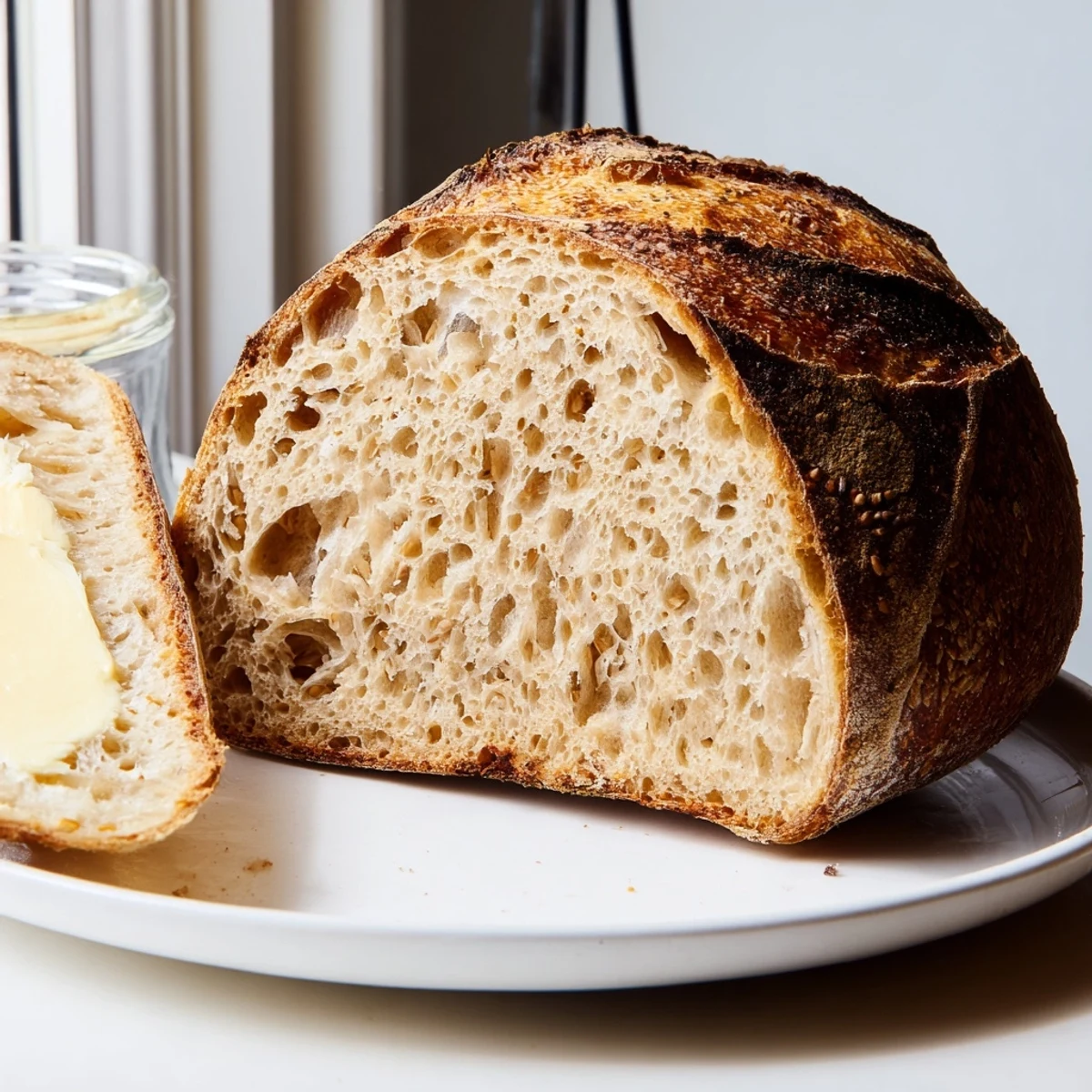
Save Create an authentic artisan loaf through natural fermentation techniques. This handcrafted bread develops its signature tangy flavor and chewy crumb over 14-20 hours of wild yeast activity. The process involves stretching and folding during bulk fermentation, followed by an overnight proof for maximum complexity. Bake in a preheated Dutch oven for professional-style oven spring and crackly crust.
The smell of sourdough baking transforms a whole house, something I discovered during a rainy autumn when I let my first starter bubble on the counter for days. There is something magical about taking flour, water, and salt, then waiting patiently for wild yeast to create bread with real character and depth.
I baked this loaf for a dinner party once and my friend Sarah actually stopped mid conversation just to inhale the bread basket. She asked if I had secretly bought it from a bakery downtown, which might be the best compliment any home cook has ever given me.
Ingredients
- Active sourdough starter: This living starter is the heart of your bread, so make sure it has been fed within the last 12 hours and is bubbling with activity
- Bread flour: Higher protein content than all purpose flour, essential for developing the strong gluten network that gives sourdough its signature chew
- Whole wheat flour: Adds subtle nuttiness and depth, plus extra nutrients that make the loaf feel more substantial
- Water: Room temperature works best to keep your fermentation steady and predictable
- Sea salt: Do not reduce this amount, as salt is crucial for flavor development and strengthens the gluten structure
Instructions
- Autolyse the dough:
- Combine bread flour, whole wheat flour, and water in your bowl, mixing until no dry flour remains, then cover and let it rest for an hour while the flour fully hydrates
- Incorporate starter and salt:
- Add your bubbly starter and sea salt to the rested dough, then squeeze and mix by hand until everything is evenly distributed and the dough feels smooth and cohesive
- Bulk fermentation with folds:
- Cover the bowl and let it ferment at room temperature for 4 to 5 hours, performing a stretch and fold every 30 to 45 minutes by grabbing one side of the dough and pulling it up over the center
- Pre shape your loaf:
- Turn the dough onto a lightly floured surface, gently shape it into a round, cover it, and let it rest for 20 minutes while the gluten relaxes
- Create the final shape:
- Shape the dough into a tight round using the tension of your countertop, then place it seam side up in a well floured proofing basket or lined bowl
- Proof the dough:
- Cover and let it rise at room temperature for 2 to 3 hours until noticeably puffy, or refrigerate overnight for a more developed sour flavor
- Preheat your oven:
- Place a Dutch oven or heavy pot with its lid inside your oven and preheat to 480°F for at least 30 minutes to ensure proper baking temperature
- Score and bake:
- Gently invert the dough onto parchment paper, use a sharp blade to score the surface, then transfer it carefully into the preheated pot, cover, and bake for 20 minutes before removing the lid and baking another 25 minutes at 430°F
- Cool completely:
- Remove the bread from the pot and let it cool completely on a wire rack, because cutting into warm sourdough makes the texture gummy and less enjoyable
 Save
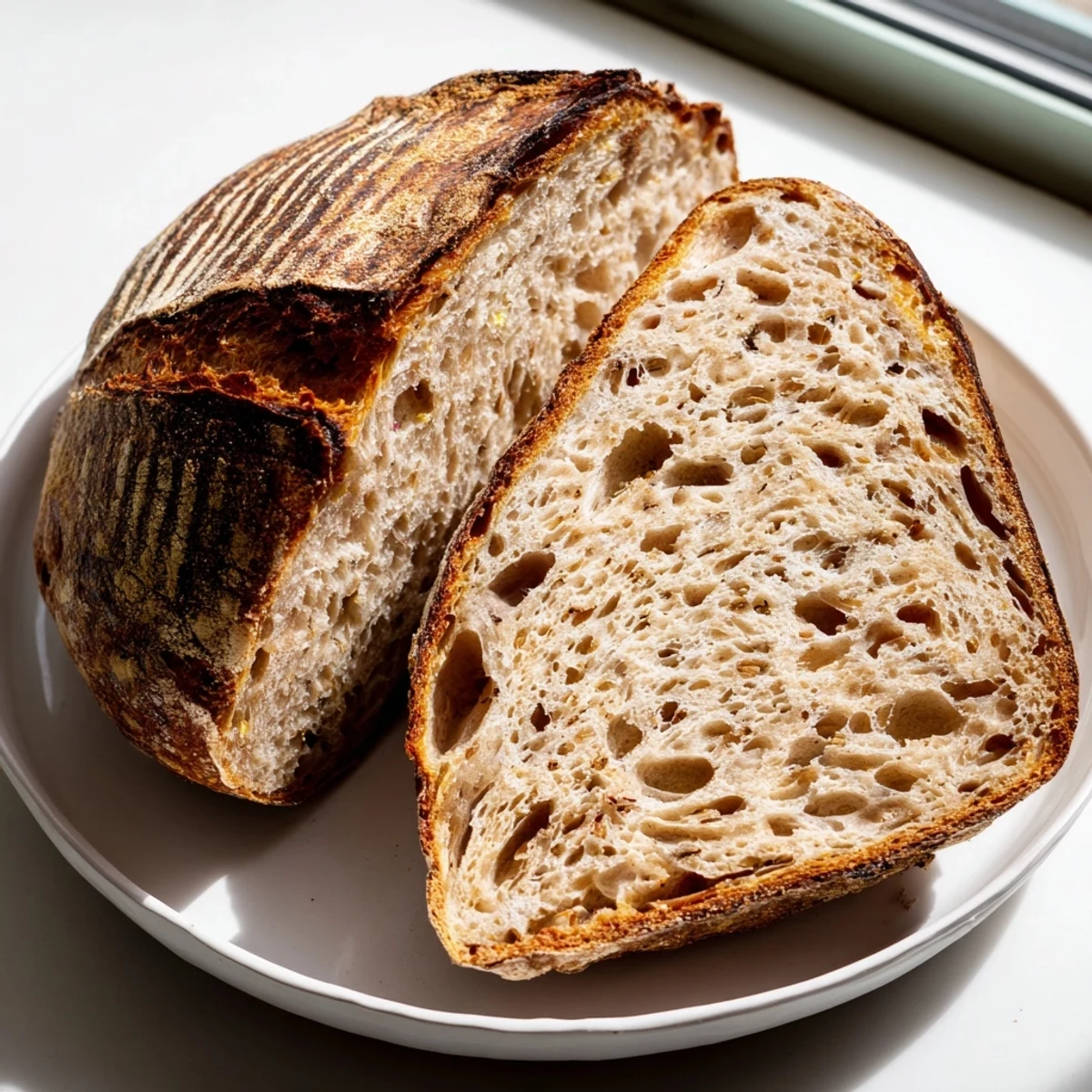
Save This bread became my weekend ritual during that long winter, and I found myself looking forward to the whole process, from feeding my starter to that first warm slice slathered in butter.
Understanding Your Starter
A healthy starter should double in size within 4 to 6 hours after feeding. If yours is sluggish or smells unpleasant, try feeding it daily for a week before baking.
Getting the Perfect Score
Hold your lame or blade at a 45 degree angle and cut confidently about a quarter inch deep. The score allows the bread to expand beautifully in the oven.
Storage and Refreshing
Store your cooled loaf in a paper bag for up to 3 days, or slice and freeze it immediately in a freezer bag for up to a month. Revive stale bread by sprinkling with water and reheating at 350°F for 10 minutes.
- Sourdough actually improves in flavor after sitting for a day
- Do not store bread in the refrigerator unless frozen
- The best way to refresh day old bread is a quick toast in the oven
 Save
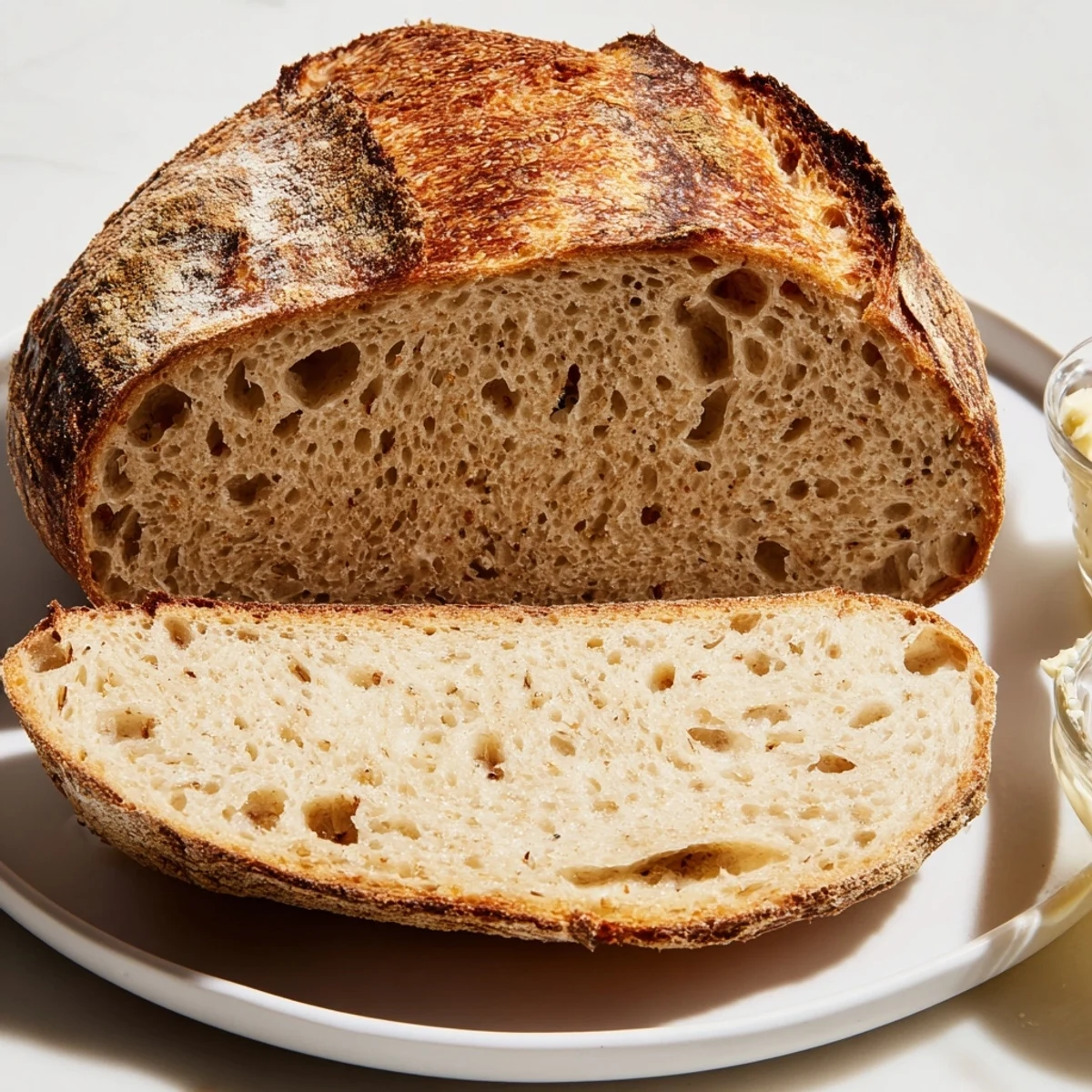
Save There is nothing quite like breaking into a homemade sourdough loaf that you have nurtured from start to finish, especially when shared with people who appreciate the craft.
Recipe FAQs
- → What makes sourdough different from regular bread?
-
Sourdough relies on wild yeast and beneficial lactic acid bacteria naturally present in flour, rather than commercial yeast. This slower fermentation process creates the distinctive tangy flavor, chewy texture, and improves digestibility while extending shelf life naturally.
- → How long does it take to make this loaf?
-
The complete process spans 14-20 hours. Active preparation takes 25 minutes, while fermentation and proofing require 12-18 hours. Actual baking time is 45 minutes. The extended fermentation develops complex flavors and creates the characteristic open crumb structure.
- → Can I shorten the fermentation time?
-
While tempting, reducing fermentation time compromises flavor development and texture. The wild yeast needs sufficient hours to produce lactic acid, which creates the tangy taste and helps preserve the loaf. Plan ahead for best results—the timing is essential to authentic sourdough.
- → Why use a Dutch oven for baking?
-
A preheated Dutch oven creates a steamy environment similar to professional deck ovens. The trapped moisture allows the dough to expand rapidly during initial baking, producing impressive oven spring and a crisp, crackly crust that shatters when sliced.
- → How do I know when my starter is active enough?
-
A healthy starter should be bubbly, doubled in volume 4-8 hours after feeding, and have a pleasant fermented aroma. It should float in water. If yours seems sluggish, feed it daily at room temperature for several days until activity increases before attempting this loaf.
- → Can I refrigerate the dough during proofing?
-
Absolutely. Cold proofing in the refrigerator overnight enhances the sour flavor and makes handling easier. The cold slows fermentation, allowing more complex flavors to develop. Bring to room temperature for 1-2 hours before scoring and baking if chilled longer than 8 hours.