
 Save
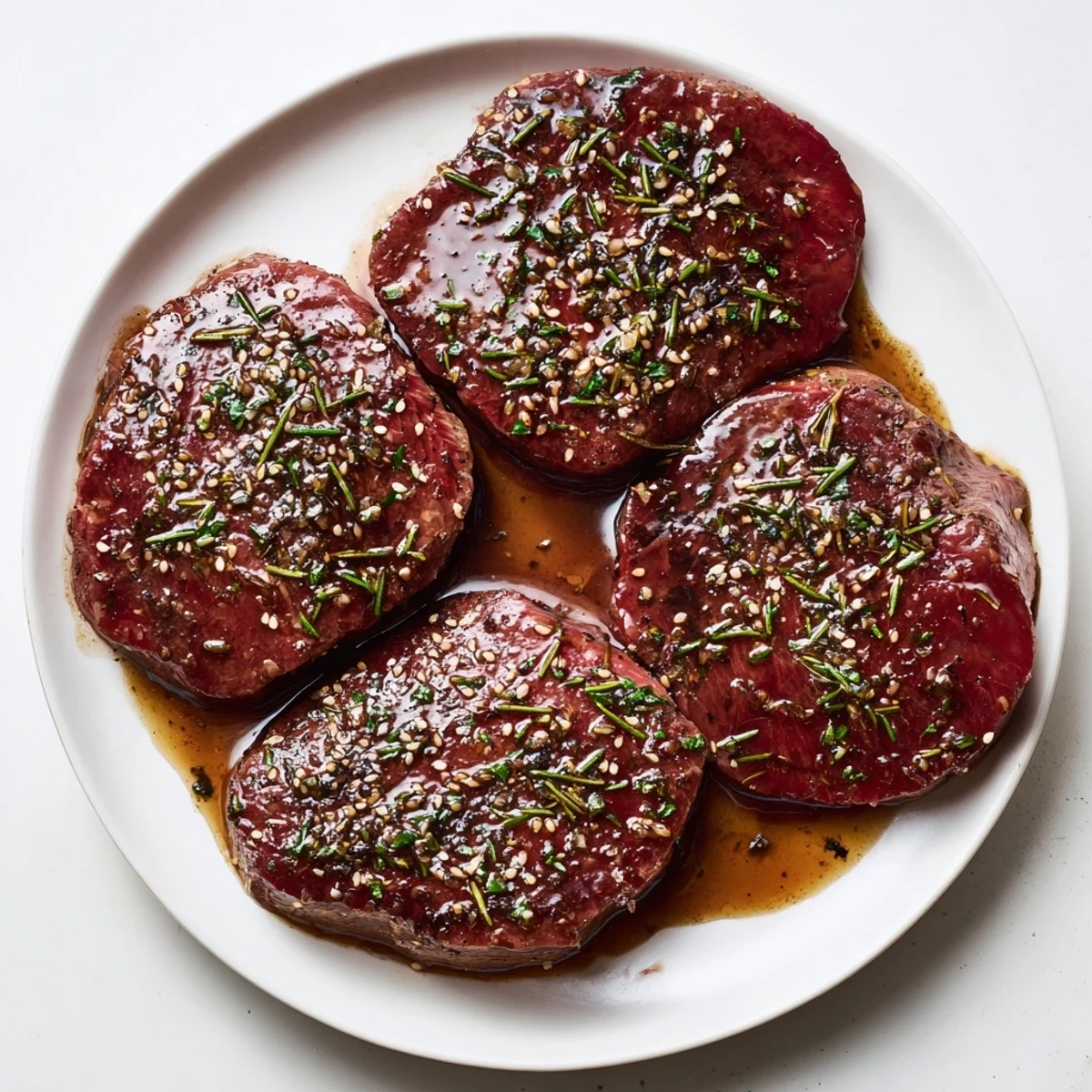
Save This soy, olive oil and Worcestershire-based blend pairs balsamic, lemon, garlic, Dijon and brown sugar to tenderize and build savory, slightly sweet layers. Whisk and coat steaks, then chill 2–24 hours for best flavor; discard used marinade before cooking. Grill, pan-sear or broil to desired doneness. Swap tamari for gluten-free needs and honey for alternative sweetness.
Olive oil and Worcestershire mingling together in a bowl always reminds me of the anticipation before an impromptu backyard gathering. The kitchen fills with the sharp, savory fragrance, and suddenly the evening feels a bit more promising. I’ve stumbled across many steak marinade recipes, but this one strikes the perfect chord between easy and impressive. There’s a pleasing ritual in whisking it all by hand that tells you—yes, this meal is going to be good.
The last time friends dropped by unannounced, I threw this marinade together before they even finished their first stories in the living room. By the time the grill was hot and laughter got louder, the steaks had soaked up enough magic to rival any fancy steakhouse.
Ingredients
- Soy sauce: Adds deep umami that seeps right through the steak—I always go with a splash more if the cut is particularly thick.
- Olive oil: Coats the meat and keeps it juicy during cooking; don’t use your fanciest oil here, just something fruity and smooth.
- Worcestershire sauce: This is the secret zing—its tang and depth bring restaurant vibes home.
- Balsamic vinegar: A gentle acid that brightens and softens, plus it leaves just a hint of sweetness on the grill marks.
- Lemon juice: Freshly squeezed is essential for that fresh, punchy lift; bottled just never tastes quite right.
- Garlic: I chop it messily so some bits caramelize on the steaks—a little imperfect is good here.
- Dijon mustard: Adds a subtle heat and helps bind the flavors together so the marinade hugs the steak.
- Brown sugar: Melts into everything and brings a bit of caramel once the steak hits the heat.
- Black pepper: Freshly ground for the right little bursts of heat; if you love pepper, crank a bit extra on top before grilling.
- Rosemary: Dried works, but if you have fresh, chop it fine for a woodsy aroma that really lingers during cooking.
- Onion powder: This rounds everything out and brings a gentle backbone of flavor—no tears required.
Instructions
- Get your base ready:
- In a medium mixing bowl, whisk the soy sauce, olive oil, Worcestershire sauce, balsamic vinegar, and lemon juice until everything blends into a fragrant, deep-brown puddle.
- Add the flavors:
- Tip in the minced garlic, Dijon mustard, brown sugar, black pepper, rosemary, and onion powder. Whisk well—don’t worry if the mustard gives temporary streaks, they’ll disappear after a few turns.
- Coat the steaks:
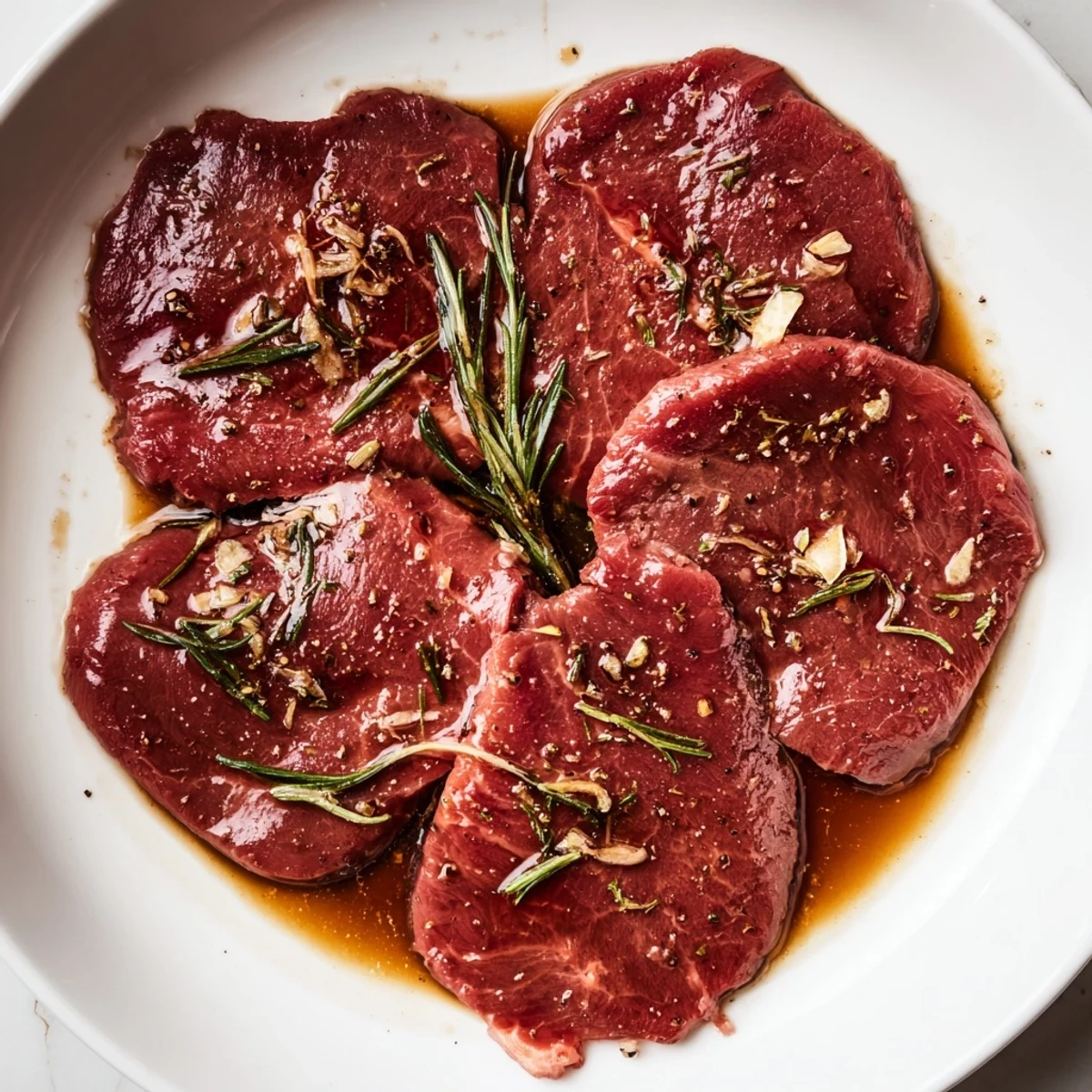
- Lay your steaks in a large resealable bag or a shallow dish and pour over the marinade. Massage or flip gently to coat every piece; I like the satisfying thunk of meat landing in the liquid and the aroma that follows.
- Marinate and wait:
- Seal or cover and pop in the fridge for at least 2 hours—overnight is even better. Give the steaks a turn once or twice to coat them evenly if you remember.
- Ready to cook:
- Take the steaks out, pat them dry (for a beautiful sear), and discard the marinade. Grill, broil, or pan-sear to your favorite doneness—the kitchen will fill with savory steam, guaranteed.
 Save
Save The first time the crust sizzled up just perfectly, my youngest called dibs on the juiciest piece for their own plate—no negotiation. Since then, this marinade has turned dozens of hurried dinners into memorable little feasts.
Adjusting for Every Occasion
Sometimes I swap brown sugar for honey when I’m out, and it makes the crust a touch more sticky and glossy. If you like a little heat, a sprinkle of red pepper flakes makes a quiet appearance that sneaks up on you. I even tried it on pork chops for a weeknight twist—marinade magic works on more than steak.
Making it Allergy-Friendly
When a friend with gluten sensitivities came for dinner, I grabbed gluten-free soy sauce and Worcestershire without missing a beat. Always cross-check your labels—sometimes the obvious culprits sneak in where you least expect. Dijon mustard is usually safe but double-check if allergies are a concern, and you’re good to go.
Kitchen Shortcuts & Serving Ideas
If time is tight, even a two-hour marinade does wonders; no need to stress about leaving it all night. Serve your steak with roasted potatoes and a glass of red wine for easy elegance. Don’t forget—marinade leftovers work beautifully brushed over grilled veggies too.
- Always let steaks rest before slicing for juicier meat.
- Use tongs, not forks, to flip for less juice loss.
- Fresh herbs sprinkled at the end make everything look and smell extra special.
 Save
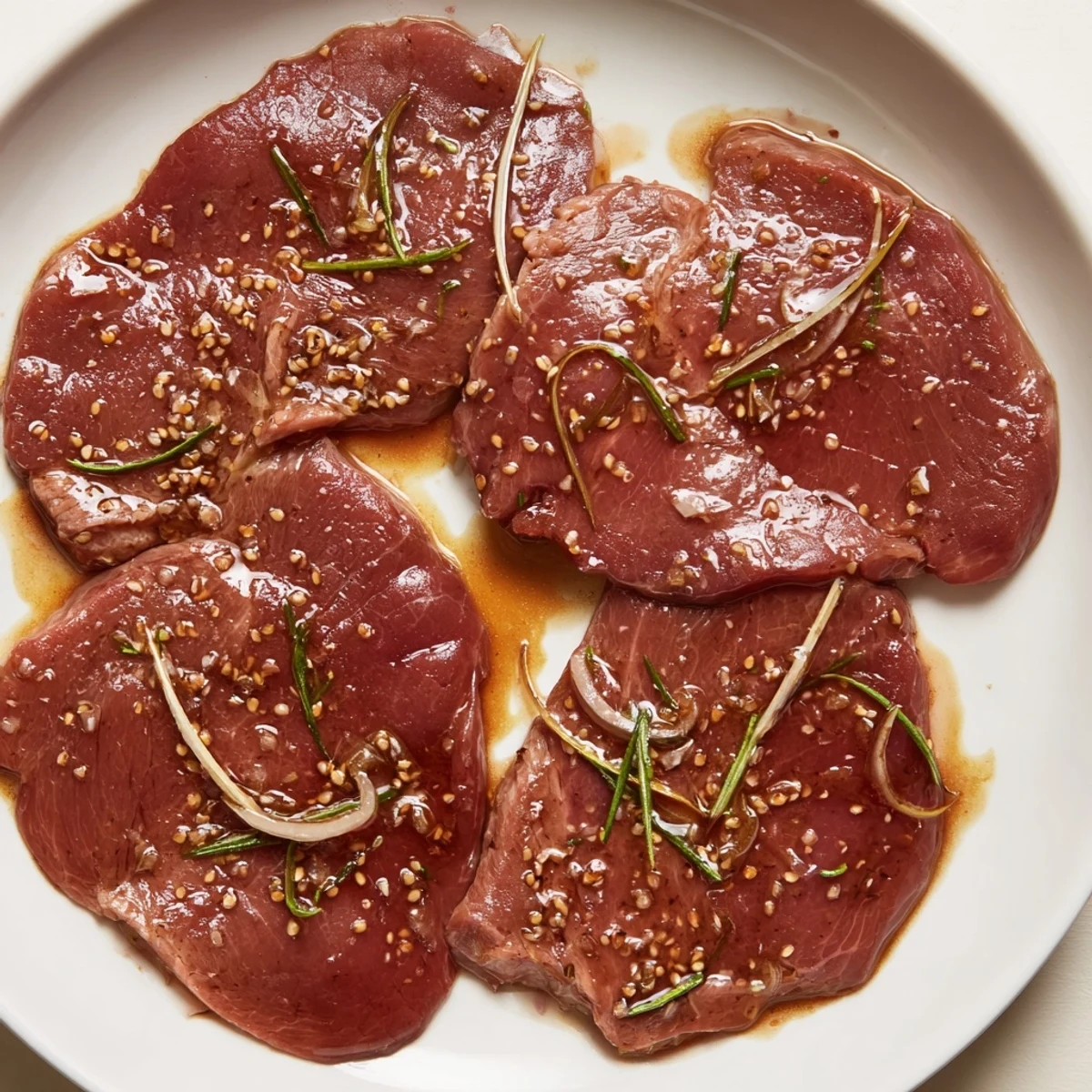
Save However you finish your steak, there’s always a moment of quiet at the first bite—worth every minute of marinating. May your kitchen be full of sizzle and satisfied smiles.
Recipe FAQs
- → How long should I marinate steaks?
-
Marinate at least 2 hours for noticeable flavor. For deeper penetration, aim for 6–12 hours; up to 24 hours works for tougher cuts. Avoid much longer to prevent the acid from softening the texture excessively.
- → Can I reuse the marinade?
-
Do not reuse marinade that contacted raw meat unless you boil it vigorously for several minutes to eliminate bacteria. A safer approach is to reserve a portion before adding raw meat if you want a sauce.
- → Which cuts pair best with this mix?
-
Flank, skirt, sirloin and ribeye absorb the flavors well. Tougher cuts benefit most from longer marination; very tender, expensive cuts need less time so the balance isn’t overwhelmed.
- → What can I use instead of soy sauce?
-
Use tamari for a gluten-free alternative or coconut aminos for a milder, slightly sweeter profile. Taste and adjust salt or acid after swapping.
- → How do I add heat to the marinade?
-
Stir in 1 tsp crushed red pepper flakes or a dash of hot sauce. Start with a small amount—spiciness can intensify during marination.
- → Can this mixture be used for other proteins?
-
Yes. It works well on pork chops and chicken breasts; reduce marination for chicken to about 1–4 hours to avoid altering texture, and adjust cooking times as needed.
- → How should leftover prepared marinade be stored?
-
Keep unused, sealed marinade in the refrigerator up to a week. If it contacted raw meat and you plan to use it as a sauce, boil it thoroughly and then refrigerate for up to 2–3 days before serving.