
 Save
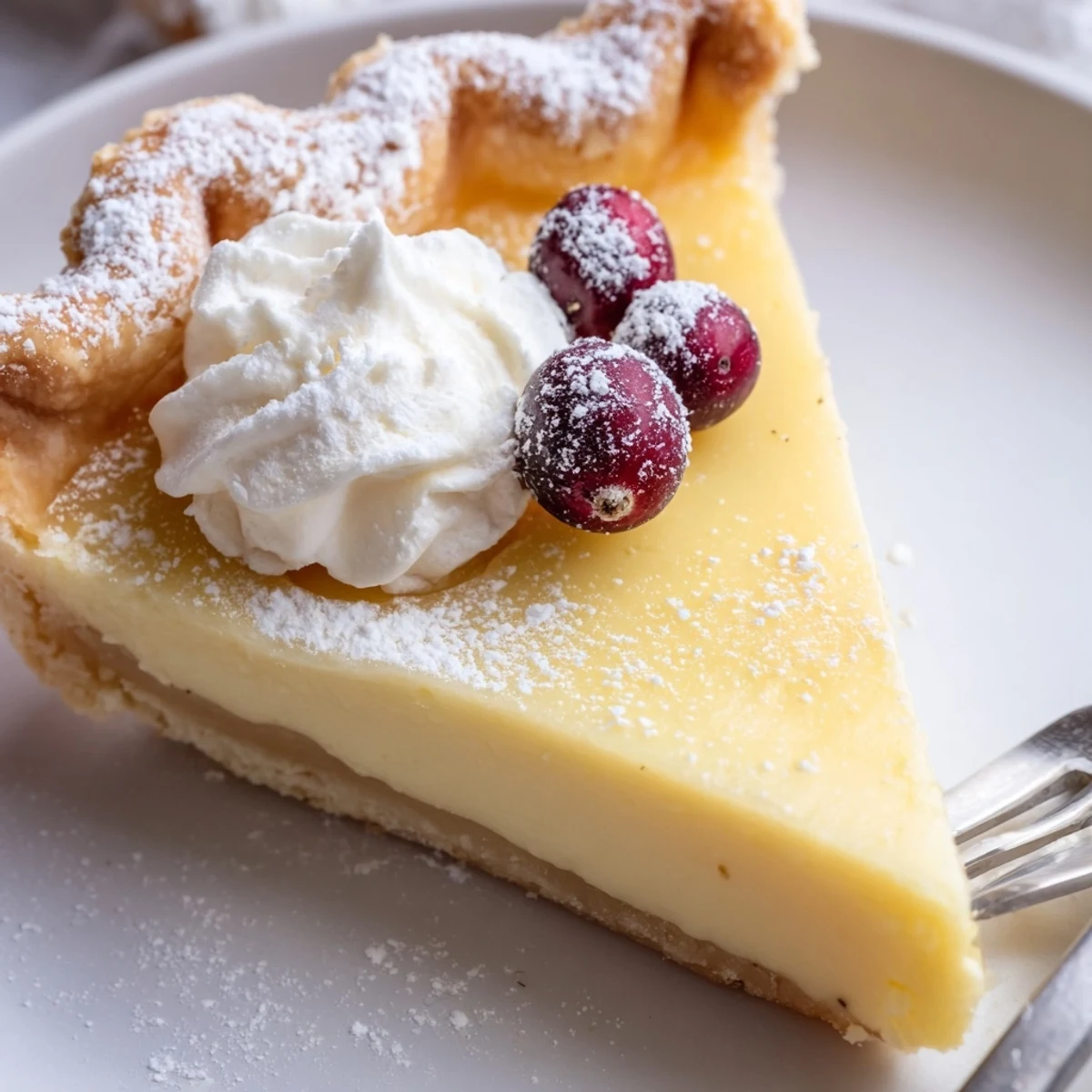
Save This custard blends whole milk, heavy cream, eggs, sugar and a touch of cornstarch with ground cinnamon and vanilla, poured into a 9-inch crust and baked at 350°F until the center is just set. Warm milk is tempered into the eggs, strained for a silky texture, cooled on a rack and chilled at least two hours before slicing; finish with cinnamon or powdered sugar.
The first time I made this Christmas Eve Custard Pie, the scent of cinnamon and vanilla filled the house so completely that my neighbor knocked just to ask what I was baking. There was something magical in the way the spices mingled with the warmth from the oven, mixing with laughter and the low hum of holiday music in the background. I found myself pausing to watch snowflakes drift outside, feeling like I'd stumbled onto a tiny tradition. Truth be told, it turned an ordinary day into something quietly festive.
I once made this pie for a small gathering when our original dessert plans fell through, and nobody could believe it hadn't been on the menu from the start. We all ended up around the kitchen island, eating the pie straight from the pan with oversized spoons—fancy plates forgotten. It's now what my cousin requests every year, no matter what else I offer. That night, even the quietest person came alive with happy sighs after their first bite.
Ingredients
- Unbaked pie crust (9-inch): The crust is your canvas—homemade or store-bought, just keep it cold so it bakes up crisp and golden.
- Whole milk (1 cup): Adds lightness; avoid skim, which makes the custard too firm.
- Heavy cream (1 cup): Brings luxurious richness, so don’t swap it for half-and-half.
- Large eggs (3): Room temperature eggs blend smoothly into the custard—set them out early.
- Granulated sugar (3/4 cup): Sweetens things just right, but not cloying; whisk thoroughly to dissolve.
- Cornstarch (2 tbsp): Just enough to help the custard hold together, giving you clean slices.
- Vanilla extract (1 1/2 tsp): Makes the whole pie fragrant—real extract gives the best flavor.
- Ground cinnamon (1/2 tsp + 1/4 tsp for topping): Use the freshest you can for warmth that lingers.
- Fine sea salt (1/4 tsp): Balances the sweetness; a lesson learned after my first bland attempt.
- Powdered sugar (for dusting, optional): Just a little over top for an extra festive look.
Instructions
- Prep Your Crust:
- Set your oven to 350 F and nestle your pie crust into the pan, crimping the edges for that homemade look. I like to smooth out cracks with a cold fingertip—little gestures matter here.
- Warm the Milk and Cream:
- Gently heat the milk and cream in a saucepan until just steaming, swirling occasionally and breathing in that comforting dairy aroma; don’t let it boil or you’ll risk a scrambled custard.
- Whisk the Eggs and Sugar:
- In a mixing bowl, whisk eggs, sugar, cornstarch, vanilla, cinnamon, and salt until there’s not a streak of yolk or lump of sugar in sight—it’s oddly meditative.
- Temper with Warmth:
- Slowly add the warm milk mixture to the eggs, whisking the whole time, feeling the bowl turn cozy as the custard comes to life.
- Smooth It Out:
- Pour everything through a fine-mesh sieve so only the silkiest custard remains in your bowl—no rogue bits allowed.
- Fill and Bake:
- Pour the custard into the crust and slide it into the oven; if you listen closely, you might even hear soft bubbling as it bakes to a gentle wobble, about 45-50 minutes.
- Cool and Finish:
- Let the pie settle on a wire rack—the aroma is almost unbearable at this point—then dust with cinnamon and powdered sugar for a snowy touch.
- Chill Before Slicing:
- After cooling, give the pie at least 2 hours in the fridge so it slices neatly and rewards your patience with perfect, creamy wedges.
 Save
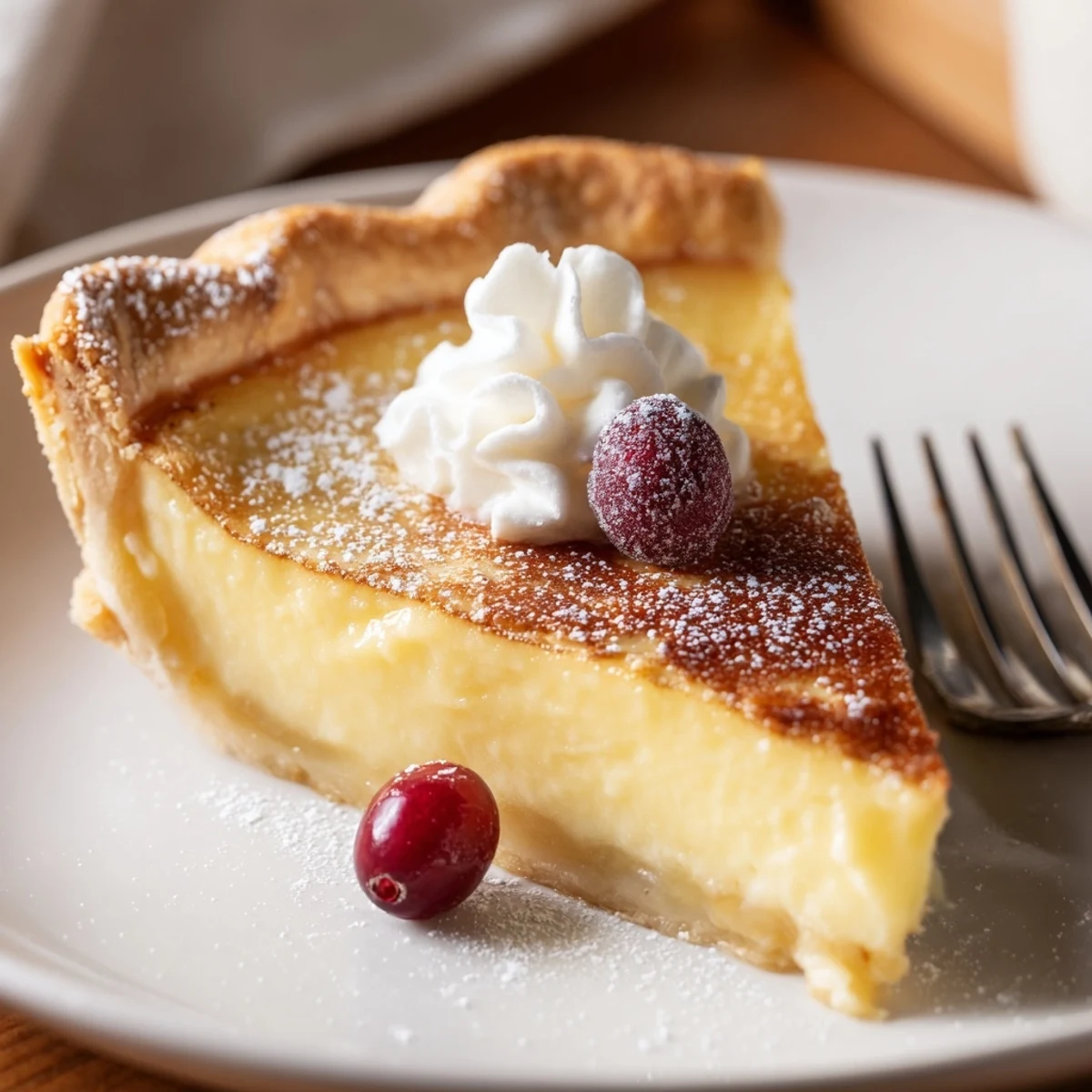
Save There’s a photo saved on my phone of a barely-there slice of this pie, a fork midair, and a friend’s face absolutely beaming—proof that dessert sometimes makes the best memories. Ever since then, serving this pie has felt more like sharing a little generosity than just handing over dessert.
Making It Your Own
One year, I added the tiniest splash of bourbon to the filling (just for the adults) and it gave the custard a grown-up twist everyone raved about. Toppings are fair game: sometimes I finish with sugared cranberries or pile on a mound of whipped cream for extra festivity. Even leftover slices are a treat—there’s something about cold, creamy custard on a quiet night that feels like permission to slow down.
Troubleshooting Holiday Pies
Pies have a way of testing your patience, especially when the center is stubbornly runny. If the middle still jiggles like jelly after time’s up, give it another 5 minutes—watching carefully so it stays silky, not solid. Foil tenting keeps the crust from going too dark (trust me, that lesson’s been learned multiple times). Small blunders are part of the charm and nobody minds if the edges are a little rustic.
Festive Finishing Touches
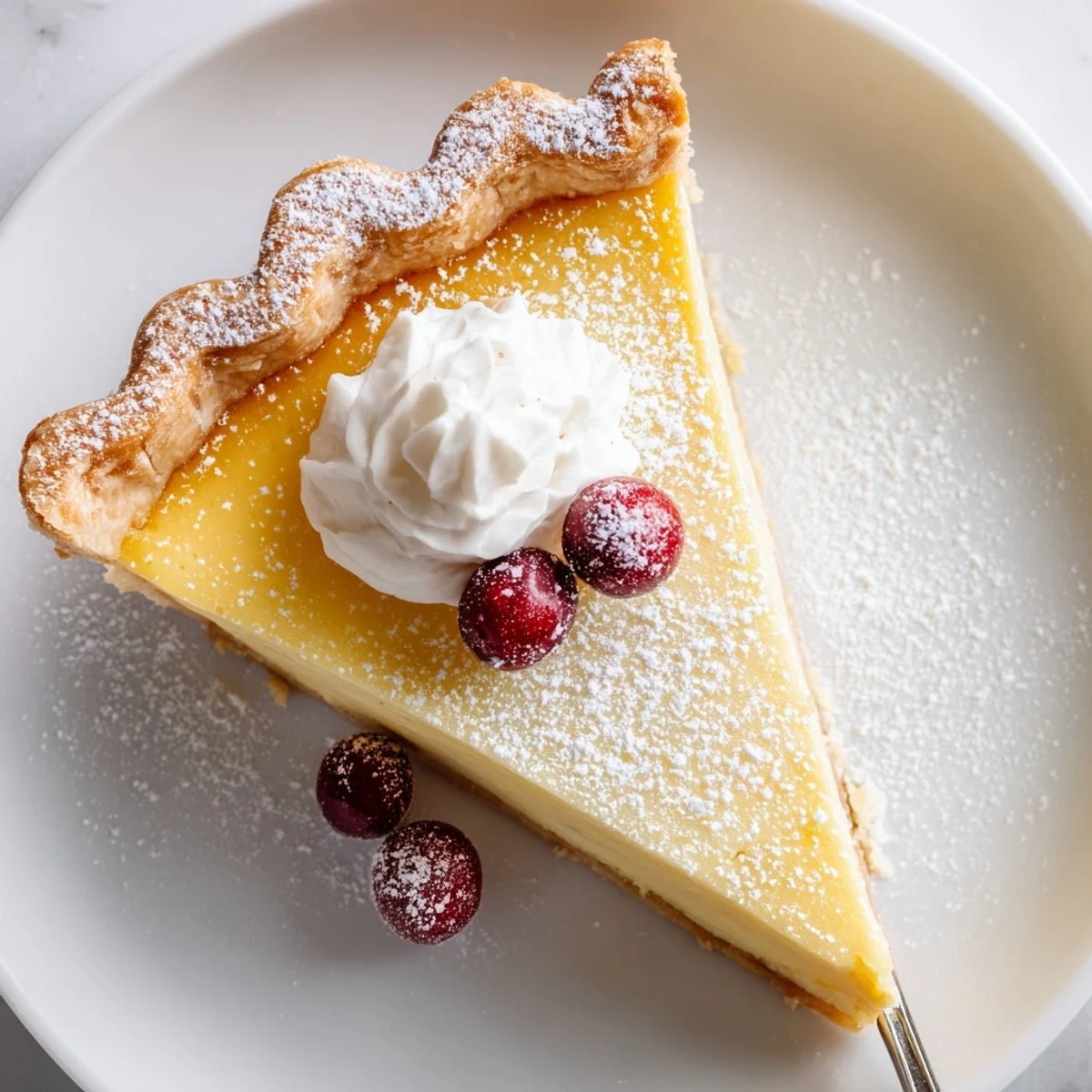
The lightest snowfall of powdered sugar can make your pie sparkle like the season itself, especially if guests are arriving in cozy sweaters. Sometimes I’ll let everyone sprinkle their own extra cinnamon for one last personalized touch. If there’s a single piece left, it’s a secret joy for the next day—best eaten quietly by the glow of the tree.
- Let the pie cool fully or the custard may ooze when cut.
- If your oven runs hot, check the pie 5 minutes early.
- Never skip the straining step—it’s the secret to custard without lumps.
 Save
Save However you serve it, this pie brings a hush and a smile to the end of the evening. May your gatherings be warm and your dessert plates always have room for one more slice.
Recipe FAQs
- → How do I prevent the custard from curdling?
-
Gently heat the milk and cream until steaming but not boiling, then temper the eggs by slowly whisking a little warm liquid into the egg mixture before combining everything. Use constant whisking and strain the custard to remove any bits for a smooth finish.
- → How can I tell when the custard is done baking?
-
The center should be mostly set but still slightly wobbly when you gently jiggle the pan. The edges will be firmer and the surface slightly puffed; the custard will finish setting as it cools.
- → Should I blind-bake the crust first?
-
Blind-baking is optional. An unbaked crust works well if the filling bakes until set. If your crust browns too quickly, tent the edges with foil to prevent burning while the custard finishes.
- → Can I change the dairy to make it lighter?
-
You can reduce heaviness by substituting part of the heavy cream with more whole milk or a lower-fat milk, but expect a slightly less rich texture. Cornstarch helps stabilize the filling if using leaner dairy.
- → How do I add a boozy, festive note?
-
Stir a tablespoon or two of bourbon or brandy into the custard after tempering and before baking for a warm, festive undertone. Keep additions modest to preserve texture and balance.
- → How long should the pie chill before serving?
-
Chill the pie at least two hours so the custard fully sets and slices cleanly. For best texture and flavor, refrigerate up to a day before serving.