
 Save
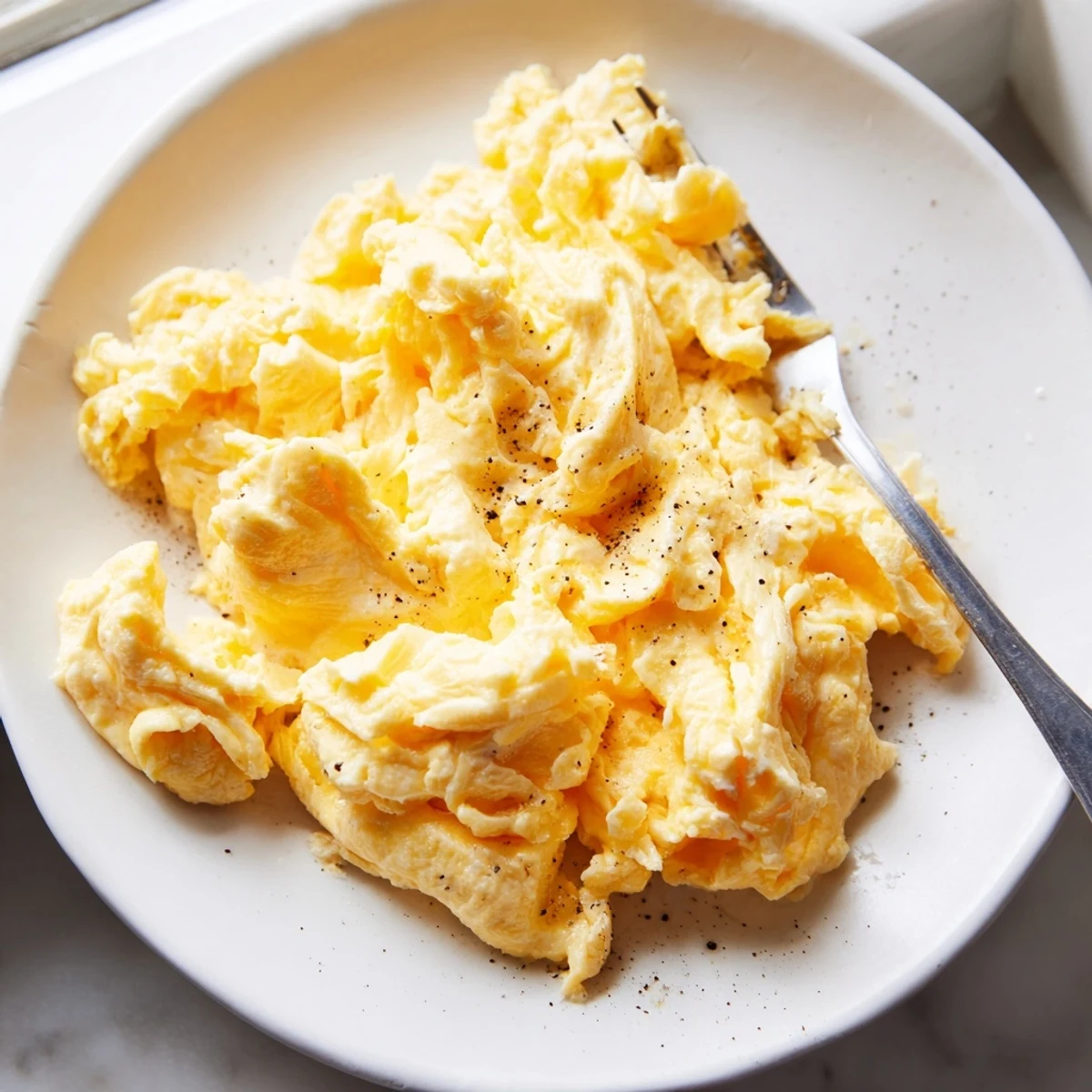
Save Master the art of perfectly creamy scrambled eggs with this straightforward method that delivers fluffy, rich curds every time. The secret lies in gentle heat and patient stirring—eggs transform from liquid to silky soft curds in just minutes.
Whole milk or cream creates that luxurious texture, while butter adds subtle richness throughout. The key is removing the pan while eggs still appear slightly undercooked; residual heat finishes them to perfection.
Customize with fresh herbs, shredded cheese, or sautéed vegetables. Pair with buttered toast, sliced avocado, or smoked salmon for a complete morning meal.
My grandmother made scrambled eggs every Sunday morning, and the smell would wake me before my alarm. She taught me that great eggs arent about technique, they are about patience and paying attention. I still use her little trick of adding a splash of cream, something I discovered makes all the difference between dry and dreamy.
Last winter my friend Sarah came over after a breakup, and I made these eggs for her. She took one bite and started crying, not because she was sad, but because she said food should not taste this good when your heart is breaking. Now she makes them every Sunday and texts me a photo.
Ingredients
- 4 large eggs: Fresh eggs make brighter curds that hold together better
- 2 tbsp whole milk or cream: This is the secret to creamy eggs that still have structure
- 1 tbsp unsalted butter: Butter adds flavor and prevents sticking without making eggs greasy
- 1/4 tsp salt: Season the eggs before cooking for even distribution
- 1/8 tsp freshly ground black pepper: Fresh pepper has a brighter, more complex flavor
Instructions
- Whisk and season:
- Crack eggs into a bowl and add milk or cream, salt, and pepper. Whisk until frothy and uniform in color.
- Melt the butter:
- Heat butter in a nonstick skillet over medium-low until melted and gently bubbling.
- Start cooking:
- Pour in the egg mixture and let sit for just a few seconds until edges begin to set.
- Form soft curds:
- Push eggs from edges toward center with a spatula, folding gently to create soft, fluffy curds.
- Finish carefully:
- Continue cooking until just set but still creamy, then immediately remove from heat.
 Save
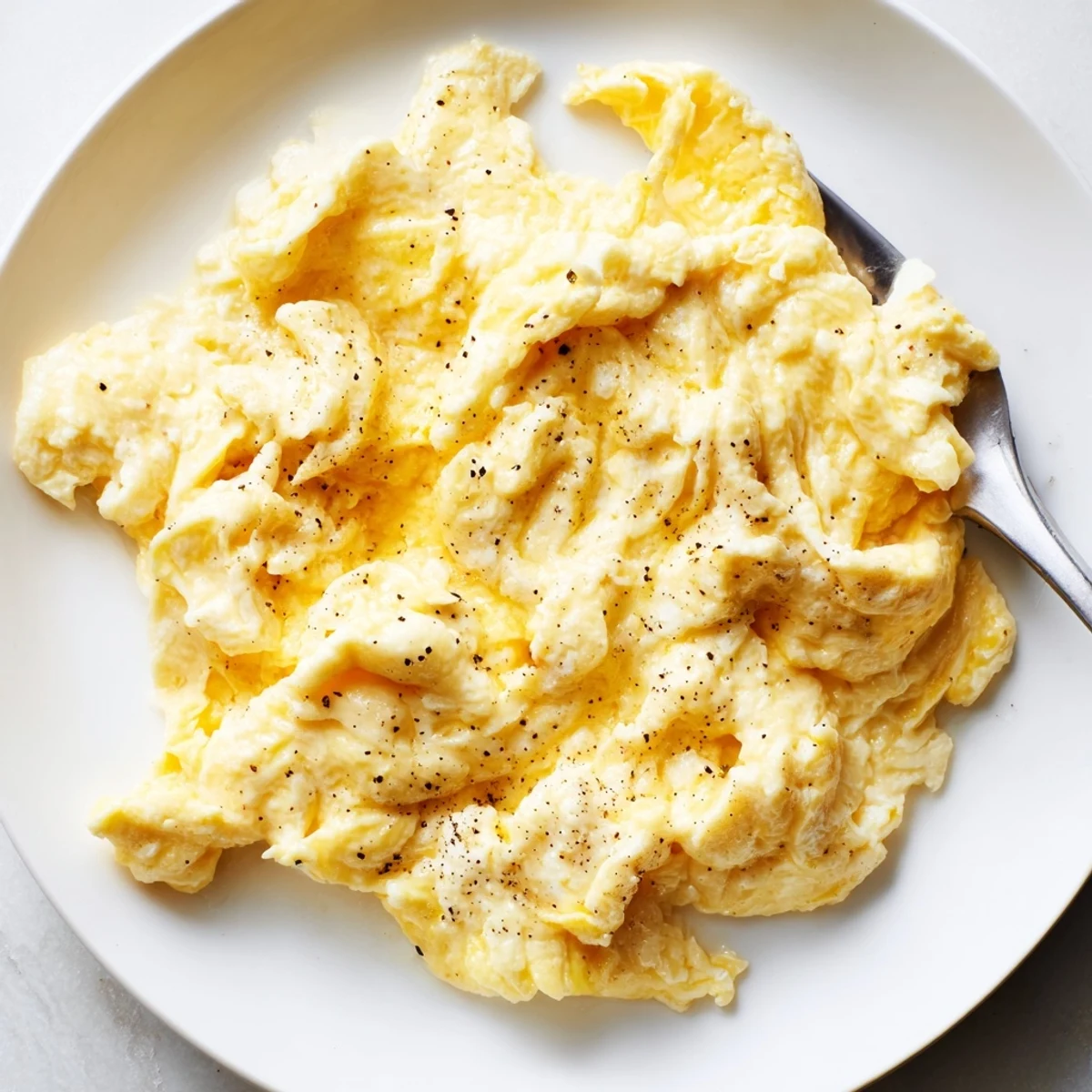
Save These scrambled eggs became my go-to comfort food during college finals. Something about the rhythm of whisking and the gentle folding motion calmed my nerves before exams. Now they are my Sunday ritual, no matter how chaotic the week was.
Making Them Your Way
I have found that adding chopped chives or a handful of grated cheddar right at the end transforms these into something entirely new. The herbs add freshness while cheese creates these incredible melted pockets throughout.
Perfect Timing
The difference between perfect and overcooked eggs is literally thirty seconds. I stand right by the pan and watch the curds form, lifting the pan off the heat for a moment if they are setting too quickly. Better to undercook slightly than to serve dry eggs.
Serving Ideas
These eggs shine alongside toasted sourdough with extra butter or a simple arugula salad dressed with lemon. They also make the perfect filling for a breakfast taco with warm corn tortillas.
- Try topping with hot sauce for a morning kick
- Avocado slices add creaminess that pairs beautifully with the soft curds
- Leftovers reheat surprisingly well in the microwave with a splash of water
 Save
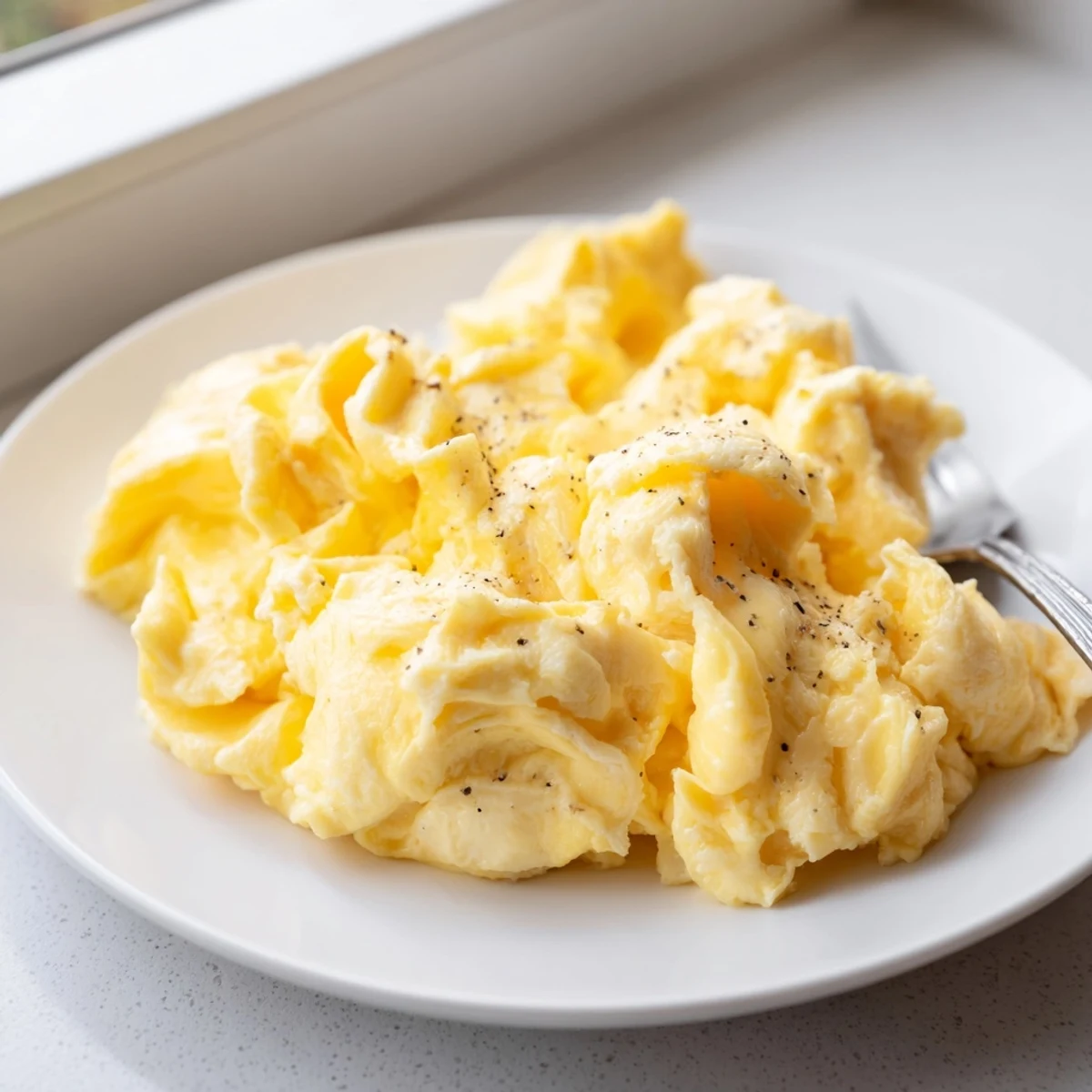
Save There is something deeply satisfying about starting the day with a dish so simple yet so perfect when done right. These scrambled eggs remind me that the best things in life really are the simplest.
Recipe FAQs
- → Why add milk or cream to scrambled eggs?
-
Dairy creates extra creamy curds and adds richness throughout. Whole milk yields light fluffy eggs, while heavy cream produces denser more luxurious textures. Both prevent eggs from becoming rubbery during cooking.
- → What's the ideal temperature for cooking scrambled eggs?
-
Medium-low heat ensures gentle even cooking without burning. High heat causes eggs to seize and become dry or rubbery. Patience on lower heat rewards you with soft tender curds every time.
- → How do I know when scrambled eggs are done?
-
Remove from heat while eggs still look slightly moist and glossy. Residual pan heat completes final cooking within seconds. Perfect scrambled eggs should be soft and creamy, never dry or rubbery.
- → Can I make scrambled eggs without dairy?
-
Absolutely. Substitute milk or cream with water for lighter texture, or use unsweetened almond milk, oat milk, or cashew milk. Plant-based butter or olive oil works beautifully instead of dairy butter.
- → What additions work well in scrambled eggs?
-
Fresh chives, parsley, dill or tarragon add bright flavor. Shredded cheddar, gruyère or parmesan melts beautifully. Sautéed onions, bell peppers, spinach or mushrooms create hearty variations. Add these after eggs begin setting.
- → Why use a nonstick skillet for scrambled eggs?
-
Nonstick surfaces allow eggs to slide freely without sticking, ensuring even curd formation. This eliminates need for excessive butter or oil while making cleanup effortless. Cast iron or stainless steel requires more fat and careful temperature control.